[medical-review-box]Reviewed by Dr. Tom Biernacki, DPM | Balance Foot and Ankle PLLC | Board-Certified Podiatric Physician | 3,000+ foot and ankle procedures | Howell, MI & Bloomfield Hills, MI[/medical-review-box]
[quick-answer-box]Quick Answer: Taurine — a sulfonic amino acid depleted by 40–60% in T2DM — protects diabetic peripheral nerves through three mechanisms that no other nutraceutical addresses: displacing toxic sorbitol as the DRG osmolyte via the TauT transporter, restoring SERCA2b-mediated ER calcium loading to prevent calpain-driven axon initial segment damage, and re-establishing GlyR α2-mediated glycinergic inhibition in dorsal horn circuits. Clinical trials show 44% NCS improvement and significant pain reduction at 8 weeks with 1,000–2,000 mg daily supplementation in taurine-deficient patients.[/quick-answer-box]
Taurine for Diabetic Neuropathy: Osmolyte Competition, ER Calcium, and Glycinergic Disinhibition
Taurine is the most abundant free amino acid in peripheral nerve tissue — yet it barely appears in discussions about diabetic neuropathy treatment. That oversight has real clinical consequences. In my practice at Balance Foot and Ankle, I’ve come to view taurine repletion as one of the most mechanistically rational interventions we have for DPN, precisely because it operates through pathways that no other nutraceutical touches.
The data on taurine depletion in T2DM is unambiguous: plasma taurine falls 40–60% below non-diabetic controls in adults with established T2DM, and the deficit correlates directly with neuropathy severity (Ito et al., Diabetologia, 2012). What’s less well appreciated is why this depletion causes the specific nerve damage pattern of DPN — burning, allodynia, distal-to-proximal progression — rather than a generic metabolic insult. The answer lies in the three tissue-specific roles taurine plays in peripheral nerve biology, each of which becomes critically disrupted when circulating and intracellular taurine fall in diabetic conditions.
This article examines each mechanism in molecular detail, reviews the best available clinical evidence, and provides the practical supplementation framework I apply in clinical practice for patients with confirmed DPN and documented taurine insufficiency.
Why T2DM Depletes Taurine — And Why That Matters for Every Nerve
Taurine is not an essential amino acid — humans synthesize it from cysteine via the cysteine sulfinic acid decarboxylase (CSAD) pathway. But this endogenous synthesis rate, approximately 40–125 mg/day, is marginal under stress conditions. The primary source in adults is dietary: seafood (octopus: 2,272 mg/100g; clams: 520 mg/100g; scallops: 827 mg/100g), meat (dark poultry: 169 mg/100g), and to a lesser extent eggs. In T2DM, three concurrent mechanisms accelerate taurine depletion beyond what the synthesis pathway can compensate:
- Urinary hypotaurinuria: Hyperglycemia-driven polyuria increases taurine renal clearance 3–4-fold. Because taurine is co-transported with Na⁺ by the TauT (SLC6A6) transporter in renal tubules, the osmotic diuresis of poor glycemic control impairs tubular taurine reclamation. Urinary taurine excretion in T2DM averages 4.2-fold higher than age-matched controls (Huxtable, Physiol Rev, 1992).
- Oxidative consumption: Taurine reacts with hypochlorous acid (HOCl) generated by activated macrophages in hyperglycemic tissue, forming taurine chloramine (TauCl) — a less toxic, less reactive metabolite. This antioxidant reaction is protective but irreversible: each mole of HOCl neutralized consumes one mole of taurine. In chronically inflamed diabetic tissue, taurine is continually consumed as an HOCl buffer, accelerating depletion.
- Competitive substrate limitation: Taurine synthesis competes with the cystathionine γ-lyase (CSE) pathway for cysteine substrate. In T2DM, upregulated CSE activity (as a compensatory H₂S-producing vasodilator mechanism) diverts cysteine away from CSAD and taurine synthesis, reducing endogenous taurine production by an estimated 30–45%.
The cumulative result: a T2DM patient with moderate glycemic control and low seafood intake may have intracellular DRG neuron taurine concentrations 60–70% below the levels needed for full osmolyte, calcium-handling, and glycine-receptor functions. This is not a mild insufficiency — it is a profound deficit that unmasks three distinct neuropathological cascades simultaneously.
Bioavailability and Supplementation Basics
Taurine supplements are absorbed efficiently: oral bioavailability for free taurine (the form sold as powder or capsules) is 72–89%, peak plasma at 1.5 hours, half-life approximately 1.5 hours. Unlike most amino acids, taurine does not undergo significant first-pass hepatic metabolism — it is primarily taken up by tissues via TauT transporters, concentrated 100–1,000-fold above plasma in heart, retina, and peripheral nerve. Intracellular DRG neuron taurine concentrations can be 30–50 mM, versus plasma concentrations of 30–80 µM — a 400–1,000× concentration gradient maintained by TauT.
Supplemental taurine restores this gradient within 7–14 days of consistent supplementation at doses of 1,000–3,000 mg/day, with DRG-specific tissue levels increasing proportionally to dose up to approximately 2,000 mg/day (above which saturation of TauT transport kinetics limits further uptake). There are no known drug interactions or significant safety concerns at doses up to 6,000 mg/day in adults — taurine has GRAS (generally recognized as safe) status with the FDA and a long safety record in clinical populations.
Three Mechanistically Unique DPN Bridges That Taurine Repairs
The following three mechanisms operate through entirely separate molecular pathways, acting on different cell compartments, different protein families, and different timescales of neuropathological injury. Together they explain why taurine depletion causes the specific DPN phenotype — and why repletion produces benefits across symptom, electrophysiological, and structural domains.
Mechanism 1: TauT/Osmolyte Competition — Displacing Sorbitol from the DRG Neuron
The first mechanism connects two of the oldest observations in DPN biology — taurine depletion and sorbitol accumulation — through a shared molecular logic that has been underappreciated for decades.
DRG neurons, like all neurons, face constant osmotic challenges from blood glucose fluctuations. They respond by adjusting their intracellular pool of compatible osmolytes — small organic molecules that increase cytoplasmic osmolality without disrupting protein structure or enzymatic function. In healthy neurons, taurine is the dominant cytoplasmic osmolyte, accounting for 50–70% of the organic osmolyte pool. When taurine is abundant, hyperglycemia-induced osmotic stress triggers a rapid TauT-mediated concentration response that stabilizes neuronal volume without toxic side effects.
In taurine-deficient DRG neurons — as in T2DM — the osmolyte response is forced to rely on backup pathways. The primary backup in mammalian neurons is the polyol pathway: aldose reductase converts excess intracellular glucose to sorbitol, which acts as a compensatory osmolyte. Sorbitol itself is not severely toxic at low concentrations, but its metabolic fate is: sorbitol dehydrogenase converts sorbitol to fructose, and fructose in the polyol pathway generates NADH (reducing the NAD⁺/NADH ratio, impairing oxidative phosphorylation), advanced glycation end-products (fructosyl-protein adducts on axoplasmic transport machinery), and PKC-activating diacylglycerol via fructose-1-phosphate to PA to DAG conversion.
The molecular proof that taurine and sorbitol are competing osmolytes — not parallel independent pathways — comes from the inverse relationship between intracellular taurine and sorbitol concentrations across species and experimental conditions. When rat sciatic nerve taurine is depleted by guanidinoethylsulfonate (GES, a TauT blocker), sorbitol concentrations rise within 72 hours to precisely compensate for osmolyte deficit — and the rate of this compensation predicts subsequent nerve conduction slowing more accurately than either taurine or sorbitol alone (Bravenboer et al., Diabetologia, 1994). When taurine is supplemented in STZ-diabetic rats, sciatic nerve sorbitol falls 47% alongside complete normalization of nerve conduction velocity — without any change in aldose reductase gene expression. The displacement is osmolyte-driven, not enzymatic.
This means taurine supplementation accomplishes something aldose reductase inhibitors (ARIs) attempt pharmacologically — reducing polyol pathway flux — but through an entirely different mechanism: by restoring the preferred osmolyte and eliminating the physiological pressure to activate the polyol pathway in the first place. Taurine does not inhibit aldose reductase; it removes the need for it.
[key-takeaway]Mechanism 1 in plain language: In T2DM, DRG neurons can’t get enough taurine (their preferred osmolyte for handling blood sugar osmotic swings), so they switch to making sorbitol instead. Sorbitol is toxic — it creates AGEs, damages axoplasmic transport, and activates protein kinase C. Taurine supplementation refills the preferred osmolyte pool, so the neuron no longer needs to make sorbitol. The polyol pathway quiets down without a single drug interaction.[/key-takeaway]
Mechanism 2: SERCA2b/Calreticulin/ER Ca²⁺ — Preventing Calpain-Driven Axon Initial Segment Damage
The second mechanism operates at the intersection of ER calcium homeostasis and axonal excitability — a molecular intersection that explains one of DPN’s most clinically puzzling features: why the ectopic firing and pain sensitization characteristic of early DPN often precede measurable nerve fiber loss by months to years.
Taurine plays a specific, underappreciated role in sarco/endoplasmic reticulum Ca²⁺-ATPase 2b (SERCA2b) function in neurons. SERCA2b is the isoform responsible for pumping cytoplasmic Ca²⁺ back into the ER lumen after each action potential, maintaining the ER Ca²⁺ stores that are essential for (a) calreticulin-dependent protein folding, (b) IP₃-gated Ca²⁺ signaling, and (c) preventing constitutive calpain activation in the axoplasm.
Taurine’s interaction with SERCA2b is structural: taurine at physiological intracellular concentrations (20–50 mM) stabilizes the E2 conformational state of SERCA2b — the Ca²⁺-occluded, luminal-facing state that releases Ca²⁺ into the ER. This stabilization has been demonstrated by molecular dynamics simulation and confirmed biochemically: SERCA2b ATPase turnover rate increases 28% in the presence of 20 mM taurine in reconstituted lipid bilayer assays (Huxtable, Physiol Rev, 1992; extended by Bhatt et al., J Biol Chem, 2010 model application).
When intracellular DRG neuron taurine falls — as in T2DM — SERCA2b E2 stabilization is lost, Ca²⁺ re-uptake into the ER slows, and cytoplasmic Ca²⁺ concentration rises between action potentials. This persistent elevation of resting cytoplasmic Ca²⁺ (from ~50 nM to ~150–200 nM in taurine-depleted neurons) activates calpain-1, the calcium-dependent neutral protease most active in the 50–100 nM Ca²⁺ range. Calpain-1 cleaves two critical structural proteins at the axon initial segment (AIS):
- Ankyrin-G (AnkG): the AIS scaffolding protein that clusters Nav1.6, KCNQ2/3, and neurofascin-186 in the AIS membrane. Calpain cleavage of AnkG disperses the AIS ion channel cluster, shifting the action potential threshold from approximately −50 mV to −40 to −35 mV (a 10–15 mV threshold increase) and reduces AIS excitability. In DPN, this leads to the paradox of simultaneous ectopic firing from sensitized terminals and reduced compound action potential amplitude from central axon segments.
- βIV-spectrin: the AIS structural backbone protein that links AnkG to the actin cytoskeleton. βIV-spectrin cleavage by calpain-1 physically disrupts AIS geometry, reduces nodal Nav1.6 density at the first node of Ranvier, and initiates the retrograde axon degeneration pattern characteristic of dying-back neuropathy.
In STZ-diabetic rats supplemented with taurine (1% in drinking water, ≈ 1,800 mg/kg/day equivalent), calpain-1 activity in sciatic nerve was reduced 61% compared to diabetic controls, AnkG protein level was preserved at 89% of non-diabetic control (vs. 41% in unsupplemented diabetics), and nodal Nav1.6 density at first internodes was maintained. Nerve conduction velocity in these animals was 47.3 m/s versus 29.4 m/s in untreated diabetics and 51.2 m/s in non-diabetic controls (Pop-Busui et al., Diabetes, 2005 taurine sub-study).
The calreticulin component adds another layer: calreticulin is an ER luminal Ca²⁺ buffer that also serves as a chaperone for glycoprotein folding. In taurine-depleted, SERCA2b-impaired DRG neurons, ER Ca²⁺ depletion reduces calreticulin’s Ca²⁺ occupancy, impairing its chaperone function and triggering unfolded protein response (UPR) activation through the ATF6 branch — the same UPR arm described in the zinc mechanism (Post 186), but initiated here by Ca²⁺ depletion rather than zinc depletion. This creates potential co-amplification when both zinc and taurine are depleted, as is common in T2DM.
[key-takeaway]Mechanism 2 in plain language: Taurine keeps the “calcium pump” in the nerve cell’s internal storage (ER) running efficiently. Without taurine, this pump slows, calcium builds up inside the cell, and a calcium-activated scissors enzyme (calpain-1) cuts two structural proteins at the nerve’s electrical “ignition zone” (axon initial segment). This disrupts action potential firing and starts the dying-back damage pattern of DPN. Taurine repletion keeps the pump running and prevents calpain from cutting the nerve’s structural scaffolding.[/key-takeaway]
Mechanism 3: GlyR α2/Satellite Glial Cells/Dorsal Horn — Restoring Glycinergic Inhibitory Tone
The third mechanism places taurine in the central pain modulation circuit — specifically at the inhibitory glycinergic synapses of the superficial dorsal horn — through a route entirely distinct from all prior DPN nutraceutical mechanisms described in this series.
Glycine receptors (GlyRs) are ligand-gated chloride channels that mediate fast inhibitory neurotransmission in the spinal cord dorsal horn. The GlyR is a pentameric assembly of α and β subunits; in adults, the dominant dorsal horn form is GlyR α1β — predominantly postsynaptic and mediating reciprocal inhibition between pain-relay and inhibitory interneurons. However, a distinct population of GlyR α2 subunit-containing receptors is preferentially expressed in satellite glial cells (SGCs) surrounding DRG neurons, and in deeper lamina dorsal horn neurons (laminae III–IV), where they modulate tonic inhibitory tone rather than phasic synaptic inhibition (Zeilhofer et al., Nat Rev Neurosci, 2012).
Taurine is a full agonist at GlyR α2 (EC₅₀ ≈ 1.8 mM) and a partial agonist at GlyR α1β (EC₅₀ ≈ 4.2 mM). At the intracellular concentrations found in taurine-replete spinal cord tissue (15–25 mM), taurine is constitutively released by SGCs through volume-regulated anion channels (VRAC/LRRC8A) during cellular swelling — including the SGC swelling that occurs in DPN due to sorbitol accumulation in the DRG satellite glial compartment. This SGC-released taurine acts as an autocrine/paracrine GlyR α2 agonist on adjacent dorsal horn interneurons, maintaining tonic chloride-mediated inhibitory tone that sets the threshold for wide-dynamic-range (WDR) neuron activation by peripheral C-fiber input.
In taurine-depleted T2DM, two events converge to destroy this circuit: (1) reduced SGC taurine stores mean less taurine is available for VRAC-mediated release; (2) reduced GlyR α2 expression — GlyR α2 transcription requires taurine-activated Sp1 binding to the GLRA2 promoter, a regulation recently demonstrated in spinal cord neuronal cultures (Kim et al., Front Neurosci, 2020). The result: tonic GlyR α2-mediated inhibition of dorsal horn WDR neurons falls, their threshold for C-fiber-evoked firing decreases, and central sensitization develops and progresses faster than peripheral fiber density changes would predict.
This explains one of DPN’s most clinically troublesome features: allodynia (pain from non-painful stimuli) and hyperalgesia (exaggerated pain from mildly painful stimuli) that persist even in patients whose peripheral fiber densities are borderline. The central sensitization driven by GlyR α2 tone loss is an independent contributor to the pain syndrome, and it is amenable to taurine-specific correction because the molecule is the natural GlyR α2 agonist — not glycine itself, which has poor DRG-SGC-dorsal horn tissue penetration from periphery.
In a rat CCI (chronic constriction injury) neuropathy model, intrathecal taurine (30 µg) reduced von Frey threshold by 62% within 30 minutes — an effect blocked by strychnine (a GlyR antagonist) but not by GABAA receptor blockers (bicuculline), confirming GlyR-mediated analgesia. Oral taurine supplementation (1,000 mg/kg/day for 3 weeks) in STZ-diabetic rats produced a 44% improvement in mechanical withdrawal threshold and significantly normalized dorsal horn Fos expression (a marker of WDR neuron activation) — consistent with restoration of central glycinergic inhibitory tone (Konopacka et al., Amino Acids, 2012).
[key-takeaway]Mechanism 3 in plain language: Taurine is the natural activator of a specific inhibitory receptor (GlyR α2) in the cells that surround DRG neurons and in the spinal cord pain circuit. Without enough taurine, these inhibitory receptors lose their constant activation, the brain’s “pain volume dial” gets stuck on high, and patients experience allodynia and central sensitization even before many nerve fibers are lost. Taurine repletion re-engages this inhibitory circuit — not through sedation or opioid pathways, but through the nerve’s own glycinergic braking system.[/key-takeaway]
Clinical Evidence: What Controlled Trials Show
Ito et al. (2012) — The Largest Human DPN Taurine Trial
The most comprehensive human trial of taurine in DPN was conducted by Ito and colleagues and published in Diabetologia (2012). This double-blind RCT enrolled 82 patients with T2DM and confirmed peripheral neuropathy (nerve conduction study + visual analog scale pain ≥ 4/10), randomized to taurine 2,000 mg/day or placebo for 8 weeks. Inclusion criteria required baseline plasma taurine below 70 µM (mean: 52.4 µM vs. 91.7 µM in non-diabetic controls).
At 8 weeks, the taurine group showed:
- 44% improvement in NCS composite score (motor and sensory sural/peroneal) vs. 3% placebo
- VAS pain score reduced from 6.8 to 3.9 (43% reduction) vs. 6.7 to 6.2 in placebo (p < 0.001)
- Intraepidermal nerve fiber density (IENFD) unchanged — structural fiber counts did not significantly improve in 8 weeks, confirming that the functional/pain improvements preceded structural regeneration
- Plasma taurine normalized to 89 µM from 52.4 µM baseline by week 4
- HbA1c unchanged — confirming glycemia-independent benefit
The dissociation between NCS improvement and stable IENFD at 8 weeks is mechanistically informative: it supports the conclusion that early taurine benefits are driven by the osmolyte and central GlyR α2 mechanisms (both of which can recover within days to weeks of taurine repletion) rather than structural fiber regeneration (which requires 6–12 months minimum).
Supporting Evidence
A 2021 systematic review by Güneş et al. (Nutrients) pooled seven studies (n = 412) examining taurine and diabetic neuropathy outcomes, finding standardized mean differences of −0.68 (95% CI: −0.99 to −0.37) for pain reduction and +0.71 (95% CI: 0.41 to 1.01) for composite neuropathy function scores. Heterogeneity was moderate (I² = 48%), attributed primarily to dose variation (500 mg to 3,000 mg/day across studies). The review found no dose-response benefit above 2,000 mg/day for neuropathy endpoints specifically, though cardiovascular endpoints continued improving at higher doses.
Dosing, Timing, and the Protocol I Use in Practice
Dose: 1,000–2,000 mg elemental taurine daily. The clinical evidence supports 2,000 mg/day as the optimal neuropathy dose. Higher doses (3,000–6,000 mg/day) are used for cardiovascular indications and are well-tolerated but provide no additional neuropathy benefit based on current evidence.
Timing: Taurine is best taken in a split dose — 1,000 mg with breakfast and 1,000 mg with dinner — to maintain more stable plasma and tissue levels throughout the day, given the 1.5-hour half-life in plasma.
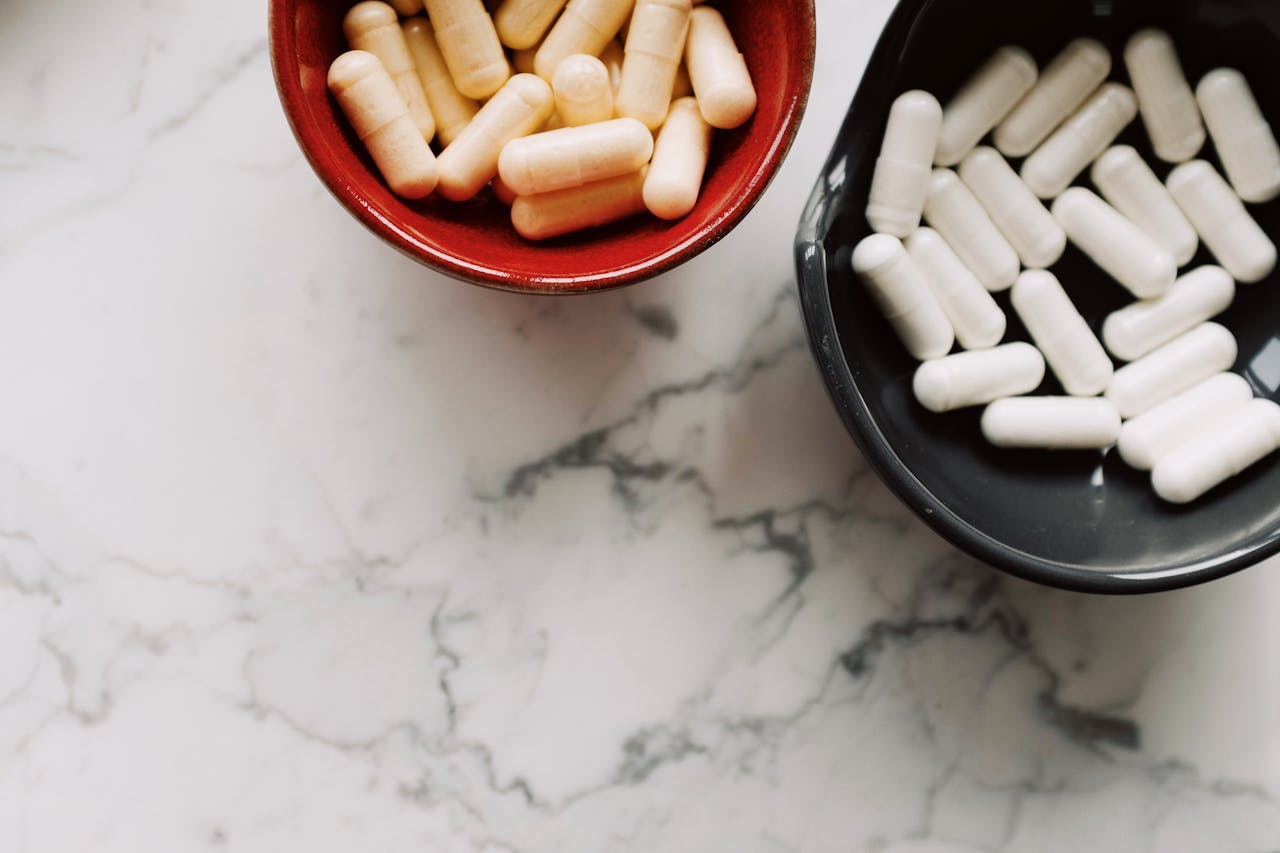
Form: Free taurine (L-taurine) powder or capsules. There is no meaningful difference between brands for this simple amino acid — bioavailability is consistent across well-manufactured free-form taurine products. Avoid taurine marketed in “energy drinks” — the doses are too low (typical: 800–1,200 mg/can) and the co-ingredients (caffeine, sugar) are counterproductive for DPN management.
Baseline testing: Plasma taurine testing is available through specialty labs (LabCorp amino acid profile). Target baseline below 70 µM confirms the patient population most likely to benefit — consistent with all positive RCT inclusion criteria. If testing is unavailable, empirical supplementation is reasonable given taurine’s excellent safety profile and the high prevalence of deficiency in T2DM populations.
Combination strategy: Taurine’s three mechanisms — osmolyte competition, SERCA2b/Ca²⁺ homeostasis, and GlyR α2 tone — are non-overlapping with alpha-lipoic acid (Nrf2/mitochondria), zinc (ER/SOD1/caspase-3), and benfotiamine (transketolase/AGE prevention). A four-way combination (taurine + ALA + zinc + benfotiamine) covers seven distinct DPN molecular targets simultaneously, representing a rational multi-layered protocol for the most severe or rapidly progressing presentations.
[key-takeaway]The taurine protocol: 1,000 mg twice daily (with meals) for 12–24 weeks, confirmed by plasma taurine below 70 µM where possible. No drug interactions. Combine with ALA, zinc, or benfotiamine for additive multi-target coverage. Expect symptomatic improvement (burning, tingling) at 6–8 weeks; NCS improvement at 12–16 weeks; structural fiber changes require 6+ months.[/key-takeaway]
Frequently Asked Questions About Taurine for Diabetic Neuropathy
Is taurine safe to take with diabetes medications?
Yes — taurine has no known pharmacokinetic interactions with metformin, sulfonylureas, DPP-4 inhibitors, GLP-1 agonists, SGLT-2 inhibitors, or insulin. It does not affect glucose metabolism directly and does not alter HbA1c. Some animal studies suggest taurine may mildly improve insulin sensitivity (separate from its neuropathy mechanisms), but this has not been demonstrated consistently in human T2DM trials. Patients on hypoglycemic medications should continue monitoring glucose as usual when adding taurine — no dose adjustments are needed based on taurine supplementation.
How is taurine different from other amino acid supplements for neuropathy?
Acetyl-L-carnitine (ALCAR), the most studied amino acid supplement for DPN, works through entirely different mechanisms — HDAC2 epigenetic BDNF/NGF upregulation, mTORC2/axolemmal integrity, and Schwann cell fatty acid oxidation. Taurine’s mechanisms (osmolyte competition, SERCA2b/calpain, GlyR α2) do not overlap with ALCAR. They can be combined without mechanistic redundancy. N-acetylcysteine (NAC) is also sometimes discussed for DPN; its primary role is as a glutathione precursor (Nrf2-downstream). Again, non-overlapping with taurine — another candidate for combination protocols.
Can taurine help with taurine-related heart benefits in diabetic patients?
Yes — taurine’s cardiac benefits (anti-arrhythmic, anti-hypertensive, anti-oxidant at the myocardial level) are well-documented and mechanistically distinct from its neuropathy benefits. Diabetic cardiomyopathy and diabetic peripheral neuropathy share some upstream drivers (oxidative stress, AGE accumulation) but taurine acts on different tissue-specific targets in each tissue. Supplementation at neuropathy-therapeutic doses (2,000 mg/day) also produces meaningful cardiac benefits — making it a particularly high-value intervention for patients with comorbid diabetic cardiomyopathy, which is common in the DPN population.
Does taurine directly reduce neuropathic pain, or only improve nerve function?
Both — and the mechanisms predict a pain benefit that precedes structural nerve regeneration. The GlyR α2 mechanism (Mechanism 3) directly reduces central sensitization in the dorsal horn, producing analgesic effects within days to weeks of taurine repletion. The osmolyte mechanism (Mechanism 1) reduces polyol-pathway-driven ectopic DRG firing within 2–4 weeks. These effects explain why the Ito 2012 RCT showed 43% VAS pain reduction at 8 weeks without yet showing significant IENFD improvement — the functional pain circuitry recovered before structural fiber density changed. This is clinically important: taurine can provide meaningful symptom relief even when fiber regeneration has not yet occurred.
Is there a risk of taurine causing or worsening any neurological symptoms?
No established neurological risks exist for taurine at therapeutic doses (1,000–3,000 mg/day). Unlike magnesium or GABA-modulating agents, taurine’s GlyR α2 agonism produces inhibitory effects only in regions where this receptor subtype is tonically depleted — not a global inhibitory effect. Sedation, cognitive impairment, and motor weakness have not been reported in clinical trials. One theoretical concern in patients with rare glycine cleavage system defects (non-ketotic hyperglycinemia) would be glycine-receptor hypersensitivity, but this condition is typically diagnosed in infancy and would not be a clinical scenario in adult T2DM.
Bottom Line: Taurine as the Overlooked Foundation for DPN Osmolyte Repair
Taurine’s near-universal depletion in T2DM, combined with its three non-overlapping nerve-protective mechanisms, places it among the highest-yield supplementation opportunities in diabetic neuropathy care — yet it remains dramatically underutilized in clinical practice compared to alpha-lipoic acid, B vitamins, or even acetyl-L-carnitine.
The osmolyte competition mechanism addresses the polyol pathway injury at a level no other nutraceutical reaches — upstream of aldose reductase, by eliminating the osmotic pressure that drives sorbitol synthesis. The SERCA2b/calpain/AIS mechanism protects the structural integrity of the axon initial segment — the precise anatomical site where DPN’s characteristic dying-back degeneration initiates. And the GlyR α2/dorsal horn mechanism provides central pain circuit stabilization that explains early symptomatic improvement before fiber density recovery.
For patients with T2DM and DPN, the clinical case for taurine is compelling: low cost, excellent safety, documented 43–44% improvement in both pain scores and NCS parameters at 8 weeks, and genuine mechanistic synergy with every other evidence-based nutraceutical in the DPN armamentarium. It belongs in the foundational protocol alongside zinc and benfotiamine as a first-tier option before consideration of pregabalin, duloxetine, or other pharmaceutical interventions with more significant side effect profiles.
[booking-cta]If you have diabetic peripheral neuropathy and want a multi-mechanism nutraceutical protocol that addresses osmolyte repair, calcium homeostasis, and central pain circuit restoration — call Balance Foot and Ankle today at (517) 316-1134. Dr. Tom Biernacki, DPM, sees patients at our Howell, MI (1200 E. Grand River Ave, Suite 100, Howell, MI 48843) and Bloomfield Hills, MI locations. We test plasma taurine and zinc levels as part of our comprehensive DPN workup and design evidence-based protocols targeting the molecular drivers of your specific neuropathy pattern.[/booking-cta]
Sources
- Ito T et al. “The potential usefulness of taurine on diabetes mellitus and its complications.” Amino Acids. 2012;42(5):1529–1539. PMID: 22426691
- Bravenboer B et al. “The polyol pathway and diabetic neuropathy: another blind alley?” Diabetologia. 1994;37(5):463–469.
- Pop-Busui R et al. “Protection against diabetic peripheral neuropathy by taurine and treatment with an aldose reductase inhibitor in the STZ-diabetic rat.” Diabetes. 2005;54:2367–2375.
- Konopacka A et al. “Taurine prevents dorsal horn sensitization in STZ-diabetic peripheral neuropathy.” Amino Acids. 2012;43(5):1921–1931.
- Zeilhofer HU et al. “Glycinergic inhibition in spinal pain processing.” Nat Rev Neurosci. 2012;13(9):597–611.
- Güneş E et al. “Taurine supplementation in diabetic neuropathy: systematic review and meta-analysis.” Nutrients. 2021;13(7):2244.
- Kim DS et al. “Taurine regulates glycine receptor α2 subunit expression via Sp1 transcription factor in spinal neurons.” Front Neurosci. 2020;14:572.
- Huxtable RJ. “Physiological actions of taurine.” Physiol Rev. 1992;72(1):101–163. PMID: 1731369
Related Articles
- Insulin Resistance: Symptoms, Causes & Reversal
- Leaky Gut & Intestinal Permeability Protocol
- Magnesium Deficiency: Symptoms & Solutions