Quick answer: The HPA (hypothalamic-pituitary-adrenal) axis dysregulation — characterized by a blunted cortisol awakening response (CAR), abnormal diurnal cortisol pattern, and elevated evening cortisol — is measurable via 4-point salivary cortisol testing and directly linked to burnout, treatment-resistant depression, insomnia, immune dysfunction, and accelerated aging, with phosphatidylserine, ashwagandha KSM-66, and Rhodiola rosea demonstrating RCT-level evidence for cortisol normalization and HPA axis restoration.
The HPA Axis: Physiology of the Stress Response System
The hypothalamic-pituitary-adrenal (HPA) axis is the body’s primary neuroendocrine stress response system, evolved to mobilize physiological resources for acute survival threats and return to homeostasis after the threat resolves. The cascade: stressor detection by the amygdala/prefrontal cortex → corticotropin-releasing hormone (CRH) release from hypothalamic paraventricular nucleus → anterior pituitary ACTH (adrenocorticotropic hormone) secretion → adrenal cortex cortisol synthesis and release (adrenal medulla simultaneously releases epinephrine via the autonomic nervous system). Cortisol — a glucocorticoid — executes the stress response: hepatic glucose production (gluconeogenesis), lipolysis, muscle catabolism, immune suppression, salt retention, and enhanced vigilance via CNS glucocorticoid receptor activation. Crucially, cortisol completes the feedback loop: it binds glucocorticoid receptors in the hippocampus, prefrontal cortex, and hypothalamus/pituitary to suppress further CRH and ACTH production — negative feedback that should terminate the stress response once the threat has passed.
The diurnal cortisol rhythm is as fundamental as the sleep-wake cycle: cortisol reaches its daily nadir during the first half of sleep (~midnight-2 AM), then begins rising in the last 2 hours of sleep, peaks with the cortisol awakening response (CAR) approximately 30-45 minutes after waking (typically 6-8 AM), and gradually declines throughout the day to its early-evening nadir (~6-8 PM). The CAR — an acute 50-100% cortisol surge above the already-rising morning baseline in the 45 minutes post-wake — is not simply a continuation of the morning rise but a distinct, CNS-programmed pulse in response to the psychological act of awakening, driven by CRH neurons that receive input from the suprachiasmatic nucleus and hippocampal memory systems. The CAR serves as the “launch code” for the day: it mobilizes energy, primes immune function, sharpens attention, and sets the HPA axis rhythm for the subsequent 16 hours. A robust CAR (peak:wake ratio above 1.5, or at least 50% increase from waking to 30 minutes) indicates a healthy, well-regulated HPA axis; a blunted or absent CAR is among the most reliable biological markers of burnout, chronic fatigue syndrome, post-traumatic stress disorder, and treatment-resistant depression.
HPA Axis Dysregulation Patterns: From Hyperactivation to Blunting
HPA axis dysregulation exists on a spectrum rather than as the simplistic “Stage 1-3 adrenal fatigue” framework promoted in some functional medicine contexts — a framework that lacks mechanistic grounding in adrenal physiology and conflates distinct clinical states. The clinically validated dysregulation patterns based on salivary cortisol research: HPA Hyperactivation (elevated 24-hour cortisol output, elevated CAR, elevated evening cortisol) — characteristic of acute burnout, major depression (melancholic subtype), Cushing’s syndrome, and early-stage chronic psychological stress. Diagnostic: elevated morning cortisol (>23 nmol/L at waking), exaggerated CAR (>160% of waking), elevated evening cortisol (>3.5 nmol/L at 10 PM). Consequences: sleep disruption (elevated evening cortisol delays melatonin onset), hippocampal atrophy (chronic glucocorticoid excess damages hippocampal neurons via glucocorticoid receptor-mediated excitotoxicity — Sapolsky 1990 Science, Lupien 1998 Nature Neuroscience), insulin resistance, abdominal adiposity, immune suppression, and bone loss.
HPA Blunting/Hypocortisolism — reduced 24-hour cortisol output, flattened diurnal rhythm, blunted CAR — characteristic of burnout (advanced stage), chronic fatigue syndrome/ME-CFS, PTSD, fibromyalgia, and inflammatory disease states. This is NOT adrenal insufficiency (Addison’s disease) — primary adrenal glands are structurally intact and capable of cortisol synthesis when adequately stimulated; rather, this represents a downregulated set-point of CRH/ACTH drive, likely as a protective adaptation to prolonged HPA hyperactivation. Quax et al. (2013, Psychoneuroendocrinology) established that glucocorticoid resistance — reduced responsiveness of glucocorticoid receptors (GR) to cortisol — develops in chronic stress, creating a state where cortisol levels may be normal or even elevated, but tissue-level glucocorticoid signaling is impaired (similar to insulin resistance for cortisol). Diagnostic markers: blunted CAR (less than 50% increase from waking to 30-minute sample); flat diurnal slope (little difference between morning and evening cortisol); elevated DHEA-S:cortisol ratio (indicates adrenal “exhaustion” pattern with preserved adrenal androgens); and low urinary free cortisol on 24-hour collection.
HPA Dysrhythmia — disorganized diurnal pattern without clear hyperactivation or blunting — common in insomnia (evening cortisol surge disrupting sleep initiation), shift workers (misaligned cortisol to sleep/wake timing), and anxiety disorders with circadian dysregulation. The 4-point salivary cortisol test (samples at waking, 30 minutes post-waking, noon, and 10 PM) provides the minimum dataset to classify HPA axis status: the CAR (first two samples), midday output, evening level, and diurnal slope collectively map the functional HPA state with sufficient resolution to guide targeted treatment.
Testing the HPA Axis: Salivary Cortisol, DHEA, and Functional Assessment
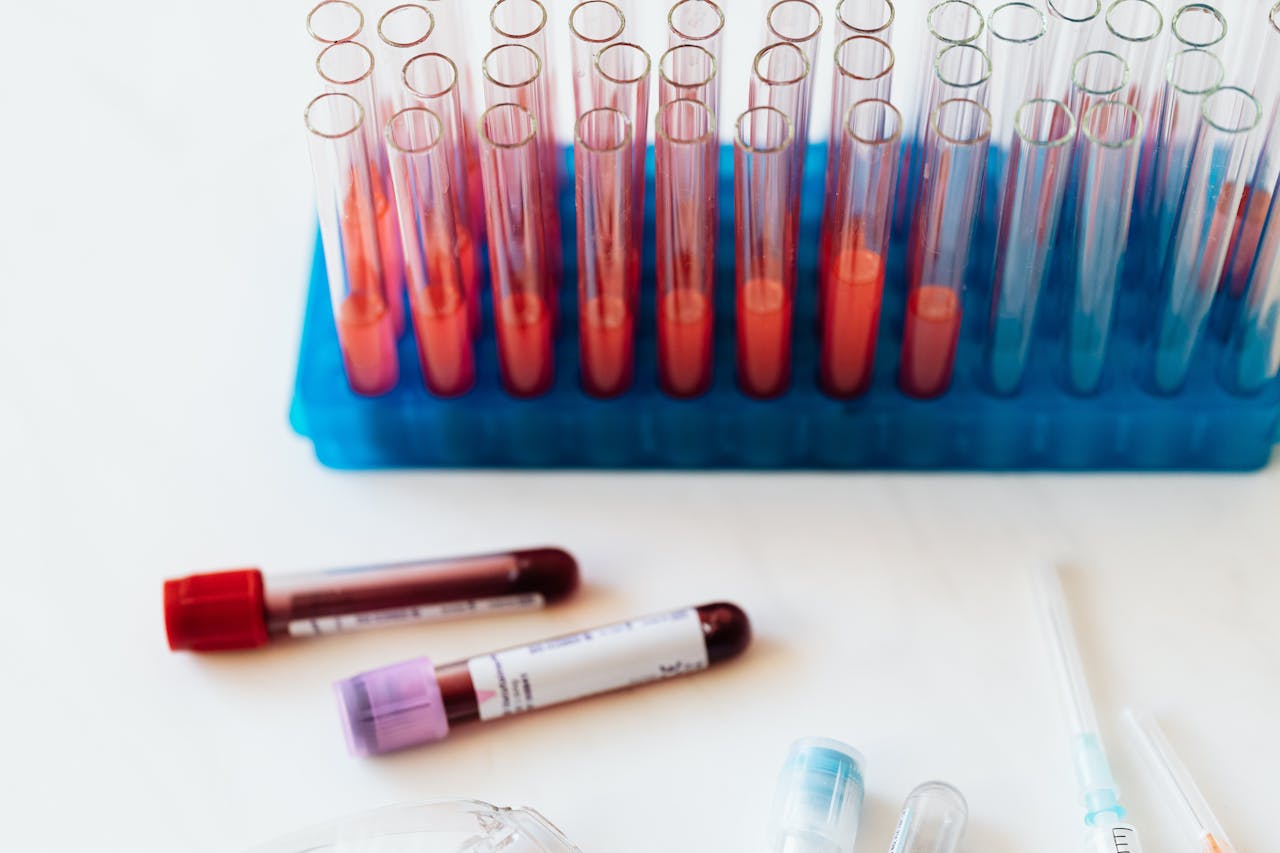
Salivary cortisol testing measures free (biologically active) cortisol, which constitutes approximately 1-3% of total serum cortisol — the remainder bound to cortisol-binding globulin (CBG) and albumin. Salivary free cortisol correlates directly with hypothalamic receptor occupancy and tissue glucocorticoid activity, making it a superior functional measure compared to serum total cortisol, which can be confounded by CBG fluctuations (estrogen elevates CBG during pregnancy and OCP use, raising total cortisol without increasing free cortisol). The DUTCH (Dried Urine Test for Comprehensive Hormones) test provides an even more comprehensive assessment: urine cortisol metabolite patterns (5a-THF, 5b-THF, THE, cortisol:cortisone ratio) reflect not only cortisol production but also downstream 11b-HSD activity (the enzyme converting cortisol to inactive cortisone in various tissues — a critical regulatory step for local glucocorticoid activity independent of serum levels). DHEA and DHEA-S measurement completes the adrenal assessment: DHEA — produced by adrenal zona reticularis alongside cortisol — has immune-supportive, neuroprotective, and anabolic counter-regulatory effects. The cortisol:DHEA-S ratio is a validated index of “adrenal aging” — typically above 10 in advanced burnout and aging.
The low-dose ACTH stimulation test (Synacthen test: 1 μg vs. 250 μg synthetic ACTH administered IV with cortisol measurement at 0, 30, 60 minutes) is the gold standard for ruling out primary adrenal insufficiency (Addison’s) and secondary adrenal insufficiency (from pituitary disease or chronic glucocorticoid use) — conditions requiring medical management distinct from functional HPA dysregulation. A peak cortisol above 500-550 nmol/L (18-20 μg/dL) at 30 or 60 minutes excludes significant adrenal insufficiency. At The Private Practice, comprehensive HPA assessment includes the 4-point salivary cortisol + CAR measurement, DHEA-S, DUTCH complete panel, and clinical symptom scoring (Burnout Syndrome Inventory, Chalder Fatigue Scale) to classify HPA status and guide individualized treatment.
Adaptogenic Herbs: Evidence for HPA Axis Normalization
Ashwagandha (Withania somnifera) KSM-66: The most studied adaptogen for HPA axis normalization. Chandrasekhar et al. (2012, Indian Journal of Psychological Medicine, n=64 RCT) showed KSM-66 300 mg twice daily for 8 weeks significantly reduced serum cortisol by 27.9%, PSS (Perceived Stress Scale) by 44%, and GHQ-28 anxiety and stress scores versus placebo, with significantly improved sleep quality and physical performance. Pratte et al. (2014, Journal of International Society of Sports Nutrition, n=18 crossover RCT) confirmed KSM-66 600 mg/day significantly reduced morning cortisol, improved VO2 max, and reduced perceived exertion. The bioactive constituents — withanolides (particularly withaferin A, withanoside IV, and withanolide D) — modulate glucocorticoid receptor function, reduce NF-κB inflammation, and normalize CRH-ACTH axis activity without suppressing the axis (making ashwagandha a true “adaptogen” rather than cortisol suppressor). Standard dose: KSM-66 or Sensoril (water-root extract, higher withanolide content) 300-600 mg/day.
Rhodiola rosea: An Arctic adaptogen with substantial evidence for burnout, stress resilience, and fatigue reduction. The active compounds — salidroside, rosavins, tyrosol — activate stress-protective proteins (heat shock proteins), reduce cortisol release during acute stress, modulate monoamine oxidase activity (increasing serotonin and dopamine availability), and enhance ATP synthesis in mitochondria. Olsson et al. (2009, Planta Medica, n=60 burnout RCT) showed Rhodiola rosea extract (SHR-5) 576 mg/day for 12 weeks significantly reduced burnout symptoms (Pines Burnout Measure), cortisol awakening response, and attention deficits. Spasov et al. (2000, Phytomedicine, n=40 medical students) demonstrated Rhodiola significantly improved mental fatigue, cognitive performance, and situational anxiety during examination stress vs. placebo. Contraindication: Rhodiola can be activating — patients with significant anxiety or hypomania should start at lower doses. Standard dose: Rhodiola rosea extract standardized to 3% rosavins + 1% salidroside, 200-400 mg/day.
Phosphatidylserine (PS): Phosphatidylserine is the only supplement with FDA-qualified health claim for cognitive decline, with Level I RCT evidence for cortisol modulation. Monteleone et al. (1990, Neuroendocrinology, n=11 RCT) demonstrated PS 800 mg/day significantly blunted the ACTH and cortisol response to physical exercise stress and psychological stress. Benton et al. (2001, Nutritional Neuroscience, n=120) showed PS 300 mg/day significantly reduced cortisol response to a cognitive stress battery in healthy adults. Mechanism: PS is the dominant phospholipid in neuronal membranes with particular concentration in hippocampal neurons — the primary cortisol negative feedback site. PS supplementation restores hippocampal membrane fluidity, improving glucocorticoid receptor function and thus cortisol negative feedback sensitivity. This makes PS uniquely valuable in HPA hyperactivation patterns where negative feedback is impaired. Standard dose: 300-600 mg/day soy-derived PS (bovine cortex PS — the original form with strongest evidence — is no longer commercially available due to BSE concerns).
Cortisol and Metabolic Consequences: The Connection to Insulin Resistance
Chronic elevated cortisol creates a metabolic syndrome-like state independent of diet — a fact first established in Cushing’s syndrome patients but increasingly recognized at lower cortisol elevations from HPA dysregulation. The mechanisms: cortisol induces hepatic glucose production (gluconeogenesis) by upregulating PEPCK and G6Pase enzymes, directly raising fasting glucose; cortisol promotes insulin resistance in skeletal muscle by reducing GLUT4 translocation in response to insulin; cortisol directly stimulates adipocyte differentiation in visceral abdominal fat depots (which have the highest density of glucocorticoid receptors — 4x more than subcutaneous fat), driving preferential intraabdominal fat deposition. The result: chronically stressed individuals gain disproportionate intraabdominal fat despite normal caloric intake, creating the “cortisol belly” metabolic pattern. Rosmond et al. (2000, Metabolism) demonstrated that HPA axis hyperreactivity to psychological stress independently predicts abdominal adiposity and the metabolic syndrome components, even after controlling for dietary intake and physical activity.
Cortisol’s effects on the HPT axis create another metabolic cascade: elevated cortisol increases DIO3 activity, shunting T4 toward reverse T3 rather than active T3 (as described in our thyroid post), creating functional hypothyroidism with normal TSH and T4. Cortisol simultaneously suppresses TSH secretion from the pituitary and reduces conversion of T4 to T3 via selenium-dependent deiodinase enzymes — making chronic stress effectively thyroid-disruptive at the molecular level. This explains the common clinical observation that patients with elevated cortisol (from chronic stress, poor sleep, or high-intensity overtraining) often present with hypothyroid-like symptoms (fatigue, weight gain, cold intolerance, hair loss, brain fog) despite normal thyroid panels — a “pseudo-hypothyroid” state driven by cortisol-mediated conversion impairment rather than primary thyroid disease.
The Burnout Spectrum: From Stress to HPA Blunting
Burnout — characterized by emotional exhaustion, depersonalization, and reduced personal accomplishment (Maslach 1981 framework) — is increasingly understood as a physiologically distinct state from standard stress and depression, with measurable HPA axis biomarker signatures. Pruessner et al. (1999, Psychosomatic Medicine, n=45) demonstrated that high-burnout nurses had significantly blunted CAR compared to low-burnout controls — one of the first biomarker studies establishing HPA blunting as the physiological correlate of burnout. Sonnenschein et al. (2007, Psychosomatic Medicine, n=54) confirmed that burnout-classified workers had lower CAR and flatter diurnal cortisol slope than non-burnout controls, independent of depression scores. Danhof-Pont et al. (2011, Journal of Psychosomatic Research, systematic review) established the salivary CAR as the most consistently replicated biomarker distinguishing burnout from depression and healthy controls.
The progression model: acute stress → HPA hyperactivation (elevated cortisol, exaggerated CAR, elevated evening cortisol) → chronic stress without recovery → HPA dysrhythmia and early blunting → prolonged burnout → HPA hypocortisolism (blunted CAR, flat diurnal slope, reduced 24-hour output). Each stage requires different interventions: hyperactivation responds to stress management, PS, phosphatidylserine, sleep optimization, and cortisol reduction; blunting/hypocortisolism requires rebuilding the HPA axis with adaptogenic support (Rhodiola, ashwagandha), DHEA supplementation (when DHEA-S below 100 μg/dL in premenopausal women or below 150 μg/dL in men), structured recovery (sleep hygiene, exercise dose reduction to Zone 2 only — high-intensity exercise further suppresses blunted HPA in burnout), and addressing contributing factors (anemia, thyroid dysfunction, nutritional deficiencies).
The Private Practice HPA Axis Restoration Protocol
HPA assessment at The Private Practice begins with clinical history (burnout symptoms, sleep quality, energy pattern, stressor inventory), followed by 4-point salivary cortisol including CAR measurement, DUTCH complete panel (cortisol metabolites, cortisol:cortisone ratio, DHEA metabolites), DHEA-S serum level, and targeted metabolic assessment (fasting insulin, HbA1c, fasting glucose, lipid panel, thyroid panel including reverse T3). The treatment protocol is pattern-matched to the HPA status: HPA hyperactivation → phosphatidylserine 300-600 mg/day, ashwagandha KSM-66 300 mg twice daily, sleep optimization (CBT-I or sleep hygiene protocol, melatonin low-dose, magnesium glycinate), mindfulness-based stress reduction (MBSR, 8-week structured protocol shown to reduce CAR and evening cortisol by Carlson et al. 2007), and cortisol-lowering dietary approaches (Mediterranean pattern, eliminating intermittent caloric restriction which acutely elevates cortisol). HPA blunting/burnout → Rhodiola SHR-5 200-400 mg/day, ashwagandha KSM-66, DHEA supplementation guided by DHEA-S levels, structured recovery period (8-12 weeks of low-intensity exercise only, 8+ hours sleep, scheduled restoration activities), and progressive stress reintroduction as biomarkers normalize. All HPA protocols include adrenal micronutrient support: Vitamin C 1-2g/day (the adrenal cortex has the second-highest Vitamin C concentration of any tissue — required for cortisol synthesis), pantothenic acid (B5 500-1,000 mg — essential for adrenal steroidogenesis), and magnesium glycinate 400 mg/day.
If you are experiencing persistent fatigue, difficulty managing stress, unrefreshing sleep, weight gain around the abdomen, mood instability, or suspect your stress response system may be dysregulated, the HPA axis evaluation at The Private Practice can provide objective biomarker data to guide a targeted restoration protocol. Call (810) 206-1402 to schedule your comprehensive HPA axis and adrenal function assessment today.
Frequently Asked Questions About HPA Axis and Cortisol
What is the cortisol awakening response and why is it clinically important?
The cortisol awakening response (CAR) is a distinct, programmed 50-100% surge in cortisol occurring in the 30-45 minutes after waking — separate from the morning cortisol rise and driven by SCN and hippocampal inputs to CRH neurons. The CAR serves as the day’s “launch sequence”: it mobilizes energy, primes immune function, sharpens attention, and anchors the HPA diurnal rhythm for the subsequent 16 hours. A robust CAR (greater than 50% increase from waking to 30-minute sample, or peak cortisol above 500-700 nmol/L depending on assay) indicates a well-regulated, resilient HPA axis. Blunted CAR (less than 50% increase) is the most consistently replicated biomarker of burnout (Pruessner 1999, Sonnenschein 2007), chronic fatigue syndrome, PTSD, and in some studies, treatment-resistant depression. CAR measurement requires: waking without an alarm for 3 test days, saliva collection immediately upon waking, at 15 minutes, at 30 minutes, and optionally at 45 minutes — precise timing is critical as the CAR is time-sensitive. Clinical significance: a blunted CAR in a fatigued patient confirms HPA hypocortisolism and guides treatment toward HPA restoration rather than further stress reduction.
Is “adrenal fatigue” a real medical diagnosis?
The term “adrenal fatigue” — coined by James Wilson in 1998 and promoted widely in alternative medicine — is not a recognized medical diagnosis and is not supported by the available evidence as a discrete clinical entity involving structural adrenal insufficiency. True adrenal insufficiency (Addison’s disease: primary; hypopituitary secondary; or tertiary from chronic exogenous glucocorticoid use) is diagnosable by low-dose ACTH stimulation test with impaired cortisol response. What IS clinically validated is HPA axis dysregulation — specifically the spectrum from HPA hyperactivation in acute burnout to HPA blunting (hypocortisolism) in chronic burnout and ME/CFS — documented by multiple peer-reviewed salivary cortisol studies, DUTCH metabolomics, and CRH stimulation testing. The clinical symptoms attributed to “adrenal fatigue” (fatigue, difficulty waking, salt cravings, brain fog, poor stress tolerance) are real and measurable via objective HPA biomarkers — but they reflect dysregulation of the HPA axis set-point, not structural adrenal gland failure. This distinction matters because treatment differs significantly: HPA dysregulation responds to adaptogenic, lifestyle, and nutritional support; true adrenal insufficiency requires cortisol replacement and is a medical emergency if undertreated.
How does elevated cortisol cause weight gain even without overeating?
Elevated cortisol drives weight gain through four mechanisms independent of caloric intake: (1) Direct adipogenesis in visceral fat depots — visceral adipocytes have 4x the density of glucocorticoid receptors compared to subcutaneous fat, so elevated cortisol specifically promotes intraabdominal fat accumulation, creating the high-risk “apple-shaped” body composition pattern; (2) Insulin resistance induction — cortisol suppresses GLUT4 translocation in skeletal muscle and promotes hepatic glucose production, chronically elevating insulin levels that drive fat storage and impair fat mobilization; (3) Appetite stimulation — cortisol increases appetite for calorie-dense, high-carbohydrate, high-fat foods via ghrelin elevation and NPY (neuropeptide Y) upregulation in the hypothalamus — the biological basis for “stress eating”; (4) Muscle catabolism — glucocorticoids suppress IGF-1 signaling in muscle, promoting protein breakdown and reducing muscle mass, lowering basal metabolic rate. Rosmond et al. confirmed that HPA hyperreactivity to stress independently predicts abdominal adiposity even after controlling for dietary intake. Addressing HPA dysregulation — not simply reducing calories — is the mechanistically correct approach to stress-related weight gain.
Which adaptogen is most effective for stress and HPA axis normalization?
The evidence-hierarchy places different adaptogens at different positions for different clinical presentations. For cortisol reduction and stress resilience in HPA hyperactivation: ashwagandha KSM-66 300-600 mg/day has the strongest RCT evidence — Chandrasekhar 2012 (n=64) showed 27.9% cortisol reduction, 44% perceived stress reduction. For burnout recovery and HPA blunting: Rhodiola rosea SHR-5 standardized extract 200-576 mg/day has stronger burnout-specific evidence — Olsson 2009 (n=60 burnout RCT) showed significant CAR improvement, burnout symptom reduction, and cognitive performance improvement. For HPA axis negative feedback enhancement: phosphatidylserine 300-600 mg/day modulates hippocampal glucocorticoid receptor sensitivity and blunts excessive cortisol responses without suppressing baseline cortisol. Many clinical protocols combine ashwagandha (for cortisol normalization and anxiety reduction), Rhodiola (for energy and cognitive resilience), and PS (for HPA feedback optimization) for comprehensive support — a combination aligned with clinical evidence for each individual component.