Quick answer: The cortisol awakening response (CAR) — a 50-160% increase in cortisol within the first 20-30 minutes after waking — is the most sensitive and reliable measure of hypothalamic-pituitary-adrenal (HPA) axis function available without invasive testing. A robust CAR (cortisol rising above 21 nmol/L, or greater than 9 nmol/L increase from the waking sample) predicts better immune function, cognitive performance, mood regulation, and metabolic health for the day. A blunted or absent CAR — occurring in HPA exhaustion, burnout, severe depression, and chronic stress — predicts systemic illness, cognitive impairment, and is the most reliable objective biomarker of clinically significant adrenal insufficiency short of frank Addison’s disease.
The Biology of the Cortisol Awakening Response
Cortisol follows a robust circadian rhythm: lowest at approximately midnight to 2 AM (nadir: 1-5 nmol/L), rising through the early morning hours via ACTH-driven adrenocortical stimulation, and peaking at approximately 30-45 minutes after waking. This diurnal peak — the cortisol awakening response — is distinct from the broader morning rise in several critical ways that make it a uniquely informative biomarker.
First, the CAR is driven by an anticipatory signal from the SCN that occurs before waking — the brain begins preparing for the waking state approximately 60 minutes before the anticipated wake time, releasing CRH (corticotropin-releasing hormone) from the paraventricular nucleus into the hypophyseal portal circulation, driving ACTH secretion from the anterior pituitary, and stimulating cortisol synthesis and release from the zona fasciculata of the adrenal cortex. This anticipatory signaling means the CAR is independent of simply being awoken by an alarm — it reflects internal clock-driven HPA axis priming that requires intact SCN function, intact CRH synthesis, intact ACTH responsiveness, and intact adrenocortical steroidogenic capacity.
Second, the CAR is modulated by a distinct immune-neuroendocrine pathway: natural killer (NK) cell and T-lymphocyte cortisol sensitivity is tuned by the CAR. The morning cortisol peak provides the anti-inflammatory signal that regulates the immune system’s overnight repair activities, transitions immune cells from the tissue-resident overnight surveillance mode to the circulating inflammatory-ready mode required for daytime function, and calibrates glucocorticoid receptor sensitivity for the day. A blunted CAR means the immune system fails to receive this morning calibration signal, producing immune dysregulation that persists through the day.
Third, the CAR is a prospective predictor of same-day performance. Clow et al. (2010, Neuroscience and Biobehavioral Reviews) reviewed the evidence: a robust CAR is associated with better working memory performance, reduced daytime fatigue, better mood regulation, and enhanced immune function throughout the subsequent day. A blunted or flat CAR correlates with worse cognitive performance, afternoon fatigue, immune challenges, and reduced stress resilience on the same day.
Measuring the CAR: Testing Protocol
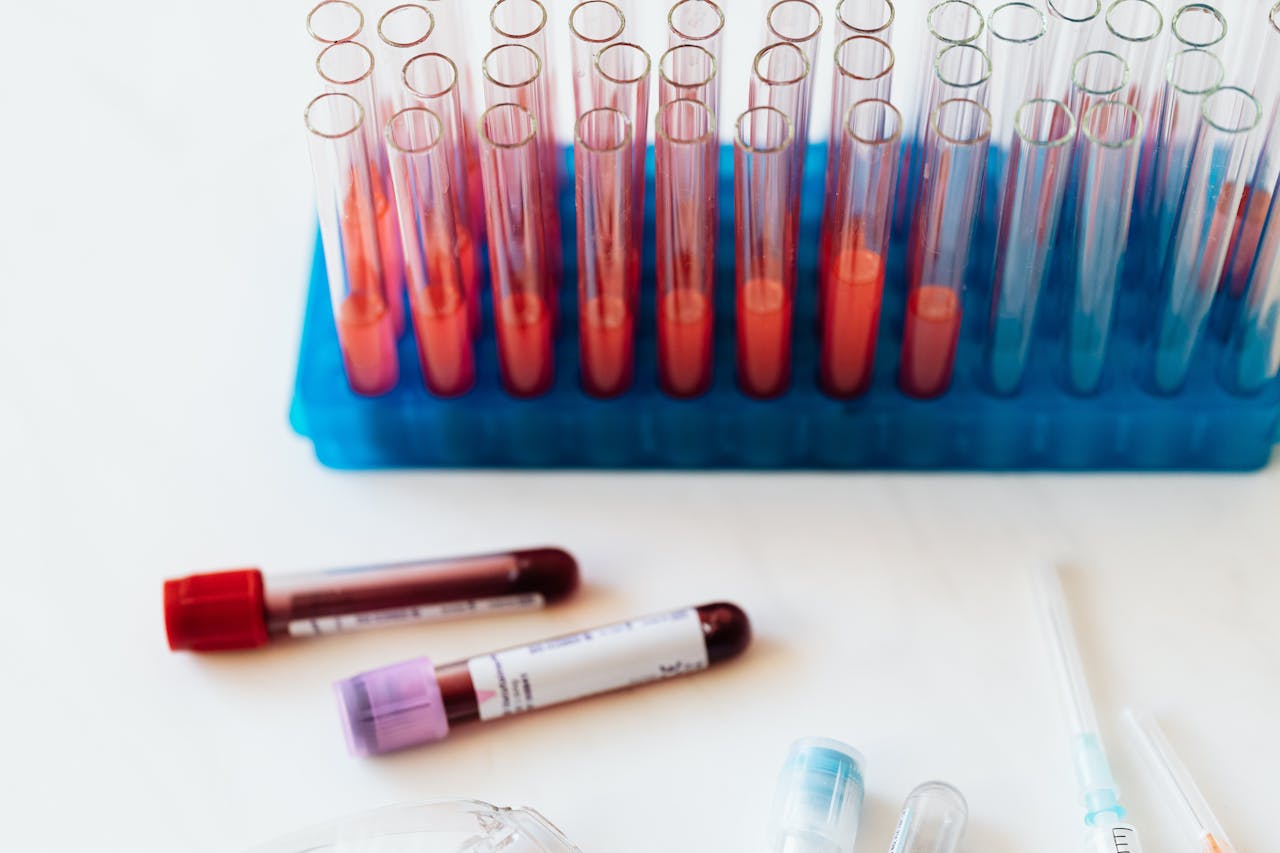
The CAR is measured by salivary cortisol collection at three standardized time points on waking: immediately upon waking (sample 0, within 2 minutes of eyes opening), at 20-30 minutes post-waking (sample 1, the peak), and at 45-60 minutes post-waking (sample 2, the decline). These three time points capture the full CAR dynamic — the rise, peak, and early decline. Critical pre-analytic requirements: samples must be collected before eating, drinking (even water), brushing teeth, or exercising, as each of these suppresses or blunts cortisol acutely. Smoking acutely elevates cortisol. Testing should ideally be performed on 2-3 consecutive days to capture day-to-day variability (the CAR shows 30-40% intraindividual variability).
Home collection kits are available through ZRT Laboratory (mail-in salivary cortisol), DUTCH Complete (dried urine for comprehensive sex and adrenal hormones including cortisol), Diagnostechs Adrenal Stress Index, and Genova Diagnostics. ZRT salivary cortisol provides the most direct CAR measurement with morning, mid-morning, afternoon, and evening samples plus an optional waking sample. The DUTCH Complete provides cortisol metabolites (THF, THE) reflecting total 24-hour cortisol production alongside the free salivary morning level. For most clinical purposes, the ZRT 4-point salivary cortisol with added morning cortisol (or DUTCH Complete) provides comprehensive HPA function assessment.
Interpretation of CAR results: a robust normal CAR shows a waking cortisol of 10-20 nmol/L rising to 20-35 nmol/L at 20-30 minutes (an increase of at least 50% from waking baseline). A blunted CAR shows minimal increase (less than 9 nmol/L absolute or less than 50% relative increase). An absent/flat CAR shows essentially no increase — the most clinically significant finding. Elevated baseline with blunted CAR (high morning cortisol that fails to show the anticipatory peak before waking) suggests HPA hyperactivation without intact circadian regulation.
Factors That Modulate the CAR
Factors that enhance the CAR: Positive morning anticipation (Brandstätter et al., 2006 — planning a positively anticipated morning event the night before increases CAR magnitude); consistent wake time (the anticipatory SCN signal is strongest when waking is consistent and predictable); bright morning light within 15-20 minutes of waking (activates SCN and reinforces the cortisol-circadian coupling); high sleep quality with adequate SWS (deep sleep enhances the overnight HPA priming that drives the morning anticipatory ACTH release); and consistent exercise habits (regular exercisers show more robust and better-regulated CARs).
Factors that blunt or suppress the CAR: Severe chronic stress and burnout (the most reliably associated finding — Pruessner et al., 1999, Psychosomatic Medicine; Wust et al., 2000, Neuropsychobiology established blunted CAR as the objective biomarker of burnout, more sensitive than subjective questionnaires); post-traumatic stress disorder (PTSD — characterized by blunted CAR despite subjective hyperarousal, reflecting HPA axis hyporesponsiveness as an adaptation to chronic trauma); major depression (blunted or irregular CAR, though bipolar and melancholic depression may show hypercortisol); shift work and circadian misalignment (severely disrupts the SCN-driven anticipatory CAR signal); alcohol consumption within 6 hours of waking (directly suppresses the HPA axis morning response); and glucocorticoid use (exogenous corticosteroids suppress the HPA axis at every level, obliterating the CAR within days of use).
Factors that exaggerate the CAR: High stress load with intact HPA axis (early burnout phase before HPA exhaustion, acute psychological stressors, high work demands); Type A personality and high rumination/worry; new parenthood (Kivlighan et al. and others have shown new parents have markedly exaggerated CARs in the first year postpartum); pain conditions and chronic illness; and smoking (acute NE/adrenaline release directly stimulates ACTH).
The CAR and Burnout: The Objective Burnout Biomarker
Burnout — the state of emotional and physical exhaustion from chronic, unrelenting stress — is notoriously difficult to assess objectively. Subjective questionnaires (Maslach Burnout Inventory, Oldenburg Burnout Inventory) are valid but rely on self-report. The CAR provides an objective biological measurement of burnout severity that correlates strongly with subjective measures but is not biased by psychological defenses or the social desirability of admitting exhaustion.
Pruessner et al. (1999, Psychosomatic Medicine) established the seminal finding: burned-out teachers showed a significantly blunted CAR compared to non-burned-out controls, with the degree of blunting correlating with the degree of exhaustion. The mechanism reflects the final stage of HPA axis dysregulation: after chronic hyperactivation (elevated CAR and cortisol in early stress) comes HPA exhaustion — downregulation of CRH receptors in the pituitary, glucocorticoid receptor downregulation throughout the axis, and reduced adrenocortical sensitivity to ACTH. The result is the paradox of someone who feels exhausted and stress-sensitive but has objectively low morning cortisol — the HPA axis is no longer capable of mounting an adequate stress response. This state is associated with fibromyalgia, chronic fatigue syndrome, and treatment-resistant depression, all of which show HPA hypoactivation patterns.
Optimizing and Restoring the CAR
Morning light protocol. Bright light within 15-20 minutes of waking (natural sunlight or 10,000-lux light box for 20-30 minutes) is the strongest non-pharmacological CAR optimizer. The ipRGC-SCN-HPA axis coupling means morning light reinforces the circadian-cortisol coupling at the level of the SCN — regular morning light consistently increases CAR magnitude in clinical studies and normalizes blunted CARs toward physiological levels within 2-4 weeks. See our circadian rhythm optimization protocol for the full light protocol.
Morning anticipation and positive purpose activation. The anticipatory CAR is driven in part by psychological activation — the brain’s expectation of meaningful engagement for the day. Individuals with clear morning purposes, meaningful work, or planned social engagement show larger CARs. Cultivating a specific morning review of meaningful tasks, positive relationships, or purposeful activities the night before (implementation intentions about the morning) activates the anticipatory cortisol priming that produces a robust CAR. This is not merely motivational advice — it has measurable neuroendocrine effects.
Consistent wake time. The SCN’s anticipatory ACTH release requires a predictable wake time to establish its timing — variable wake times (shift work, weekend sleep-ins, irregular schedules) prevent the SCN from establishing the precise timing of its anticipatory signal, blunting the CAR. A consistent ±15-minute wake time 7 days per week is the highest-leverage single behavioral change for CAR restoration. This is the same mechanism behind the social jetlag → metabolic syndrome connection: irregular wake times desynchronize the SCN-HPA axis and blunt the CAR.
Phosphatidylserine: reducing CAR normalization in elevated-CAR stress states. In individuals with elevated (excessive) CARs from high acute stress load, phosphatidylserine 800 mg/day blunts the ACTH-cortisol response to stressors and modulates the CAR toward physiological amplitude. Monteleone et al. (1992) demonstrated cortisol and ACTH reduction following physical stress with 800 mg/day PS. This is particularly indicated in early burnout (Phase 1 — elevated CAR with subjective overwhelm) before HPA exhaustion produces the blunted-CAR pattern. See our adrenal fatigue HPA axis protocol for the complete HPA axis management approach including rhodiola rosea, ashwagandha KSM-66, and the adrenal rehabilitation sequence.
Addressing blunted CAR from HPA exhaustion. When the CAR is genuinely blunted (burnout Phase 3, post-traumatic states, or post-viral HPA suppression), restoration requires eliminating HPA-suppressing inputs (resolve sleep apnea, eliminate alcohol, discontinue exogenous glucocorticoids where possible), normalizing sleep architecture (SWS restoration per the deep sleep protocol), reducing allostatic load (psychosocial stress, physical overtraining, inflammatory diet), and supporting adrenocortical function with adaptogenic compounds — ashwagandha KSM-66 300-600 mg/day (the Chandrasekhar 2012 RCT showed 27.9% cortisol reduction but in high-cortisol individuals; in low-cortisol states, ashwagandha primarily normalizes rather than suppresses), and DHEA (if DHEA-S is confirmed below 100 mcg/dL) — which supports cortisol precursor availability in adrenocortically depleted states.
CAR in Context: The Full 24-Hour Cortisol Assessment
The CAR should be interpreted within the context of the full 24-hour cortisol pattern. A complete HPA axis assessment includes: waking cortisol, CAR peak (20-30 minutes), mid-morning cortisol (approximately 9-11 AM), afternoon cortisol (3-4 PM), and evening cortisol (8-10 PM). The healthy pattern is a steep morning rise (robust CAR), gradual decline through the day, and a low evening nadir (below 3-5 nmol/L) that allows melatonin to rise and sleep to consolidate. Pathological patterns include: high morning, slow decline (retained stress response, Phase 1 HPA hyperactivation); flat pattern — low morning, low evening (Phase 3 HPA exhaustion, blunted CAR); inverted pattern — low morning, high evening (circadian reversal, common in shift workers and evening chronotypes with social jetlag); and flat-low pattern with reactive spikes (complex trauma/PTSD pattern).
Frequently Asked Questions
Q: Is a high morning cortisol always a sign of stress?
Not necessarily — a robust CAR (50-160% rise from waking baseline) in someone who wakes refreshed, energized, and cognitively sharp is a sign of healthy HPA axis function. The morning cortisol peak is physiologically appropriate and necessary for the day’s immune calibration, cognitive priming, and metabolic activation. A high morning cortisol becomes pathological when it is accompanied by persistent anxiety, inability to relax, sleep disruption (particularly early morning waking at 3-5 AM from cortisol-driven arousal), and slow return to normal through the day (indicating HPA hyperactivation rather than healthy pulsatility). The pattern and context matters more than the absolute level.
Q: Does exercise affect the cortisol awakening response?
Exercise timing significantly modulates the CAR. Morning exercise within 1-2 hours of waking amplifies the already-elevated morning cortisol and is appropriate for healthy individuals but may be contraindicated in individuals with blunted CAR and HPA exhaustion, who need to conserve the limited cortisol available rather than accelerating its consumption. Vigorous evening exercise elevates cortisol acutely at a circadian phase where it should be declining, potentially elevating the next morning’s baseline and blunting the relative CAR (if morning baseline is already elevated). Zone 2 training in the late morning (9-11 AM, after the CAR has passed and cortisol is naturally declining) is the optimal exercise timing for CAR-sensitive individuals.
Q: How long does it take to restore a blunted CAR?
HPA axis rehabilitation from genuine burnout-pattern blunted CAR is measured in months, not weeks. The adrenocortical downregulation and hypothalamic/pituitary receptor changes that produce HPA exhaustion required months to develop and require comparable time to reverse. Realistic expectations: 4-8 weeks of consistent HPA-supportive interventions (consistent wake time, morning light, sleep restoration, stress load reduction, adaptogenic support) before measurable CAR improvement on repeat testing; 3-6 months for significant normalization; full restoration may require 12 months of comprehensive management. Repeat DUTCH Complete or 4-point salivary cortisol at 8-12 weeks confirms progress and guides protocol adjustment.
Q: Can the CAR be used to monitor treatment response?
Yes — the CAR is one of the most responsive HPA axis biomarkers to lifestyle, psychological, and pharmacological interventions. Studies have shown CAR changes with cognitive behavioral therapy (Adam et al., 2010 — 8 weeks of CBT normalized blunted CAR in burnout), exercise intervention, sleep improvement, and stress management programs. Repeating the CAR assessment at 8-12-week intervals during a treatment protocol provides objective evidence of HPA axis normalization that correlates with clinical recovery, allowing dose adjustments and protocol refinement based on biological response rather than subjective report alone.
The cortisol awakening response is one of the most informative and underutilized biomarkers in functional medicine — capturing the true state of your HPA axis, circadian biology, and resilience capacity in a simple morning saliva collection. If you are experiencing chronic fatigue, burnout, mood dysregulation, or morning cognitive impairment and want an objective assessment of your HPA axis function and personalized cortisol restoration protocol, contact our office at (810) 206-1402 to discuss DUTCH Complete or salivary cortisol testing and a comprehensive HPA axis rehabilitation plan.
Related Reading
- Adrenal Fatigue vs. HPA Axis Dysregulation: The Correct Diagnosis
- Chronic Stress and Cortisol: What It’s Actually Doing to Your Body
- Why You Can’t Sleep: Cortisol, HPA Axis Dysfunction, and the Fix
Dive Deeper
- Adrenal Fatigue vs. HPA Axis Dysregulation: The Correct Diagnosis
- Chronic Stress and Cortisol: What It’s Actually Doing to Your Body
- Why You Can’t Sleep: Cortisol, HPA Axis Dysfunction, and the Fix
- Sleep Deprivation and Chronic Disease: What Happens to Your Body
- Insulin Resistance: Why 40% of Adults Have It and Don’t Know It