Quick answer: Americans carry an average of 91 synthetic chemicals in their blood and urine at any given time, including 29 known carcinogens, 37 neurotoxins, and 21 endocrine disruptors, according to biomonitoring data from the CDC’s National Exposure Report. Environmental medicine — the investigation and treatment of illness driven by toxic exposures — is one of the most clinically consequential and least-discussed areas of functional medicine. Multiple chemical sensitivity (MCS), chronic fatigue with toxin drivers, “mystery” inflammatory conditions, and accelerated aging all have environmental medicine roots. This guide presents the complete framework: toxin classes, mechanisms, diagnostic biomonitoring, and evidence-based detoxification protocols.
The Toxic Body Burden: Scale and Clinical Significance
The Environmental Working Group’s landmark 2005 “Body Burden” study — cord blood testing of newborns — found an average of 200 industrial chemicals and pollutants in umbilical cord blood, including 180 known carcinogens, 217 known neurotoxins, and 208 chemicals linked to birth defects or abnormal development. These chemicals were not present in human tissue before 1940. The United States registers approximately 80,000+ synthetic chemicals in commerce, with fewer than 1% ever tested for safety in combination. The Toxic Substances Control Act (TSCA), as it stood before the 2016 Frank R. Lautenberg Chemical Safety Act, allowed most existing chemicals to be marketed indefinitely without safety testing.
The clinical significance of cumulative toxic body burden extends far beyond the dramatic acute poisoning scenarios conventionally associated with “toxicology.” Low-level, chronic, multi-chemical exposures — individually below regulatory limits — can produce significant biological effects through: receptor-mediated endocrine disruption at parts-per-trillion concentrations (Vandenberg 2012, Endocrine Reviews — “the dose does not always make the poison” for endocrine-disrupting chemicals); synergistic toxicity (combinations at individually subclinical doses producing measurable effects — Orton 2011 Environmental Health Perspectives); mitochondrial toxicity (impairing cellular energy production and antioxidant defense); neurological sensitization (central and peripheral nervous system dysregulation); and epigenetic modification (altering gene expression patterns across generations — Skinner 2015 Epigenetics).
Major Toxin Classes: Mechanisms and Clinical Signatures
Heavy metals — mercury: Mercury exists in three forms with distinct toxicology: elemental mercury (dental amalgam vapor inhalation — oxidized to Hg²⁺ in brain tissue), inorganic mercury salts, and organic methylmercury (fish consumption — most bioavailable, crosses blood-brain barrier). Methylmercury has a half-life of 70–80 days in blood but accumulates in neural tissue, kidneys, and thyroid. Mechanisms of toxicity include: irreversible binding to selenoprotein active sites (impairing selenoenzyme function including GPx1, thioredoxin reductase, and deiodinase enzymes critical for thyroid hormone activation); disruption of microtubule assembly (neuro-axonal transport); mitochondrial cristae damage; autoimmune triggering (anti-nuclear, anti-thyroid antibodies); and NMDA receptor potentiation (excitotoxicity). Clinical signature: unexplained fatigue, cognitive slowing (“brain fog”), tremor, peripheral neuropathy, thyroid autoimmunity, recurrent infections, metallic taste. Reference: FDA limit for methylmercury is 0.1 µg/kg/day; many high-fish consumers significantly exceed this. Biomarker: whole blood mercury (recent exposure), urinary mercury (ongoing inorganic burden), hair mercury (3-month integration of methylmercury).
Heavy metals — lead: Lead has no safe level — the CDC reference value of 5 µg/dL in children (recently lowered to 3.5 µg/dL) is a surveillance threshold, not a safety threshold. Lead competes with calcium in virtually every biological process: bone mineralization, neuronal signaling, enzyme activation, and mitochondrial function. Adult health effects at “subclinical” blood lead levels (<10 µg/dL) include: hypertension (Navas-Acien 2007, JAMA — each doubling of blood lead associated with 1.8 mmHg systolic BP increase), cognitive decline (Shih 2006), chronic kidney disease (Lin 2003), reproductive toxicity, and immune dysregulation. Lead stored in bone (half-life 10–30 years) is mobilized during osteoporosis, pregnancy, menopause, and chronic illness, creating an endogenous exposure source. The TACT (Trial to Assess Chelation Therapy) trial in cardiac patients — a $30 million NIH-funded RCT — found that EDTA chelation reduced cardiovascular events by 18% overall and by 41% in diabetics (Lamas 2013, JAMA), providing Level 1 evidence for heavy metal reduction as cardiovascular intervention.
Persistent organic pollutants (POPs) and PFAS: POPs — including PCBs, dioxins (TCDD), organochlorine pesticides (DDT/DDE, chlordane, lindane), and polybrominated diphenyl ethers (PBDEs, flame retardants) — are lipophilic, bioaccumulative, and extremely persistent (decades). PFAS (per- and polyfluoroalkyl substances) — “forever chemicals” in non-stick coatings, food packaging, firefighting foam, clothing water-proofing — have half-lives of 3.5–8 years and contaminate drinking water for approximately 200 million Americans above EPA health advisory levels (Hu 2016, Environmental Science and Technology Letters). POPs and PFAS disrupt: thyroid hormone transport (displacing T4 from TBG), sex hormone synthesis and signaling, immune cell function (Th1/Th2 balance), glucose metabolism (insulin resistance), and cholesterol metabolism. PFAS exposure is specifically associated with: elevated LDL-cholesterol, thyroid disease, reduced vaccine immunogenicity (Grandjean 2012, JAMA), PCOS, reduced sperm count, and increased cancer risk (kidney, testicular).
Glyphosate and agricultural chemicals: Glyphosate (Roundup) is the world’s most widely used herbicide; Americans absorb an estimated 1.8 billion pounds annually in agricultural use. Glyphosate was reclassified as a “probable human carcinogen” (Group 2A) by IARC in 2015. Beyond potential carcinogenicity, glyphosate’s functional medicine significance involves: inhibition of the cytochrome P450 detoxification enzyme superfamily (Samsel and Seneff 2013) — potentially impairing Phase I liver detoxification; disruption of gut microbiome composition by inhibiting the shikimate pathway in susceptible bacteria (favoring Clostridium, Salmonella over Lactobacillus and Bifidobacterium); depletion of manganese (required for MnSOD, glutamine synthetase, and arginase); chelation of mineral cofactors; and disruption of collagen synthesis via hydroxylase inhibition. Urinary glyphosate (HPAEC or LC-MS/MS) is now commercially available and shows detectable levels in >70% of surveyed Americans.
Mycotoxins (mold toxins): Indoor water-damaged buildings (WDB) harbor multiple mold genera producing potent mycotoxins: trichothecenes (Stachybotrys chartarum / “black mold” — extremely cytotoxic, inhibit protein synthesis), ochratoxin A (Aspergillus, Penicillium — nephrotoxic, immunosuppressive, carcinogenic, disrupts dopamine metabolism), aflatoxins (Aspergillus — hepatotoxic, potent carcinogens), zearalenone (Fusarium — estrogenic mycotoxin, disrupts reproductive hormones), and citrinin. Shoemaker’s CIRS (Chronic Inflammatory Response Syndrome) framework identifies a subset (~24% of the population with specific HLA-DR/DQ haplotypes) with impaired mycotoxin clearance capacity. Clinical presentation: cognitive dysfunction (“biotoxin brain”), fatigue, shortness of breath, joint pain, unusual static shocks, ERMI mold testing of home/workplace. Diagnostic markers: MMP-9, TGF-β1, C4a, VIP, MSH, VEGF, ADH/osmolality on Shoemaker labs panel. Treatment: cholestyramine or Welchol to interrupt enterohepatic recirculation, VIP nasal spray (restricted access), mold-free environment.
Multiple Chemical Sensitivity (MCS): Mechanisms and Management
Multiple chemical sensitivity (MCS) — also called idiopathic environmental intolerance (IEI) — affects an estimated 12.8% of US adults (McFadden 2018, Journal of Occupational and Environmental Medicine), with 3.9% reporting severe disability. MCS is characterized by multisystem symptoms triggered by low-level chemical exposures (fragrances, pesticides, cleaning products, vehicle exhaust, new building materials) at concentrations well below established safety thresholds. A 2011 Toxicological Sciences paper by Meggs proposed the neurogenic switching hypothesis: initial sensitization event (acute high-level chemical exposure, chronic low-level exposure, or infection) upregulates TRPV1/TRPA1 nociceptor sensitivity and induces persistent central sensitization, creating ongoing neurological hypersensitivity to chemical olfactory stimulation.
Emerging evidence implicates several convergent mechanisms in MCS: (1) TRPA1 chemical sensor upregulation — TRPA1 channels in airway and skin sensory nerves respond to hundreds of environmental chemicals, and their sensitization produces amplified neurogenic inflammation and substance P release; (2) limbic system sensitization — the olfactory nerve has a uniquely direct anatomical pathway to the amygdala and hippocampus, allowing chemical odors to trigger fear/stress responses; (3) NMDA receptor-mediated excitotoxicity (Pall 2002, FASEB Journal); (4) mitochondrial dysfunction and oxidative stress — toxin-induced ROS impair mitochondrial ATP production and antioxidant reserve; (5) mast cell hyperactivation — many MCS patients have MCAS-like mast cell phenotypes. MCS frequently clusters with fibromyalgia, chronic fatigue syndrome, PTSD, and migraines — consistent with shared central sensitization and autonomic dysregulation.
Management of MCS requires a multi-pronged approach: (1) Avoidance and environmental control — HEPA filtration (IQAir or Austin Air for VOCs + particles), activated carbon filtration, fragrance-free household products, personal protective equipment for unavoidable exposures; (2) NRF2 pathway activation — sulforaphane (broccoli sprout extract, activates NRF2-driven phase II antioxidant enzymes), NAC + alpha-lipoic acid, resveratrol, curcumin; (3) Limbic system retraining — Gupta Program, DNRS (Dynamic Neural Retraining System), or EMDR in PTSD-MCS overlap; (4) Mast cell stabilization (quercetin, LDN, hydroxyzine); (5) Mitochondrial support (CoQ10, PQQ, NAD+ precursors, L-carnitine); (6) Gradual controlled re-exposure therapy (similar to desensitization principles, under supervision).
Endocrine-Disrupting Chemicals (EDCs): The Hormonal Hijacking
EDCs are perhaps the most clinically relevant toxin class for functional medicine patients. They include: phthalates (plasticizers in PVC, personal care products, food packaging), bisphenol A (BPA) and substitutes (BPS, BPF — “BPA-free” alternatives with similar estrogenic activity), parabens (preservatives in cosmetics), alkylphenols (detergent metabolites), dioxins, PCBs, pesticides (DDT/DDE, vinclozolin, atrazine), and PFAS. EDCs operate through nuclear hormone receptor binding (ERα, ERβ, AR, TR, PPARγ), epigenetic reprogramming, and interference with steroidogenesis enzymes.
Clinical consequences of EDC exposure: BPA at parts-per-trillion concentrations displaces estradiol from ERα, activates G-protein coupled estrogen receptor (GPER), and promotes breast cancer cell proliferation (Soto 2010). Phthalates inhibit testicular Leydig cell steroidogenesis (testosterone synthesis), producing measurable testosterone reduction — urinary phthalate metabolites inversely correlate with testosterone in multiple NHANES analyses (Meeker 2011, Epidemiology). Atrazine (most common US groundwater contaminant) upregulates aromatase, converting testosterone to estrogen in both males and females — Hayes 2002 documented complete sex reversal in frogs at atrazine concentrations present in drinking water. PFAS displace thyroid hormone from TBG and reduce free T4 independently of TSH — producing thyroid function disruption without an elevated TSH signal that would normally trigger investigation.
EDC reduction is achievable through targeted behavioral and dietary interventions: switch to glass, stainless steel, or BPA-free (and BPS-free) food storage; eliminate canned food consumption (BPA-lined cans) or switch to Eden Organics (BPA-free cans); choose organic produce for the Environmental Working Group “Dirty Dozen” (strawberries, spinach, kale, grapes, peaches, pears, nectarines, apples, bell peppers, cherries, blueberries, green beans — highest pesticide residue crops); filter drinking water with NSF-certified carbon block or reverse osmosis filtration (removes PFAS, chlorine, atrazine, nitrates); switch to fragrance-free personal care products (fragrance is a legally unregulated proprietary mixture that can contain >100 EDCs including phthalates and musks); and choose natural fiber clothing (avoiding PFAS-treated “DWR” waterproof coatings).
Biomonitoring: Measuring Your Toxic Body Burden
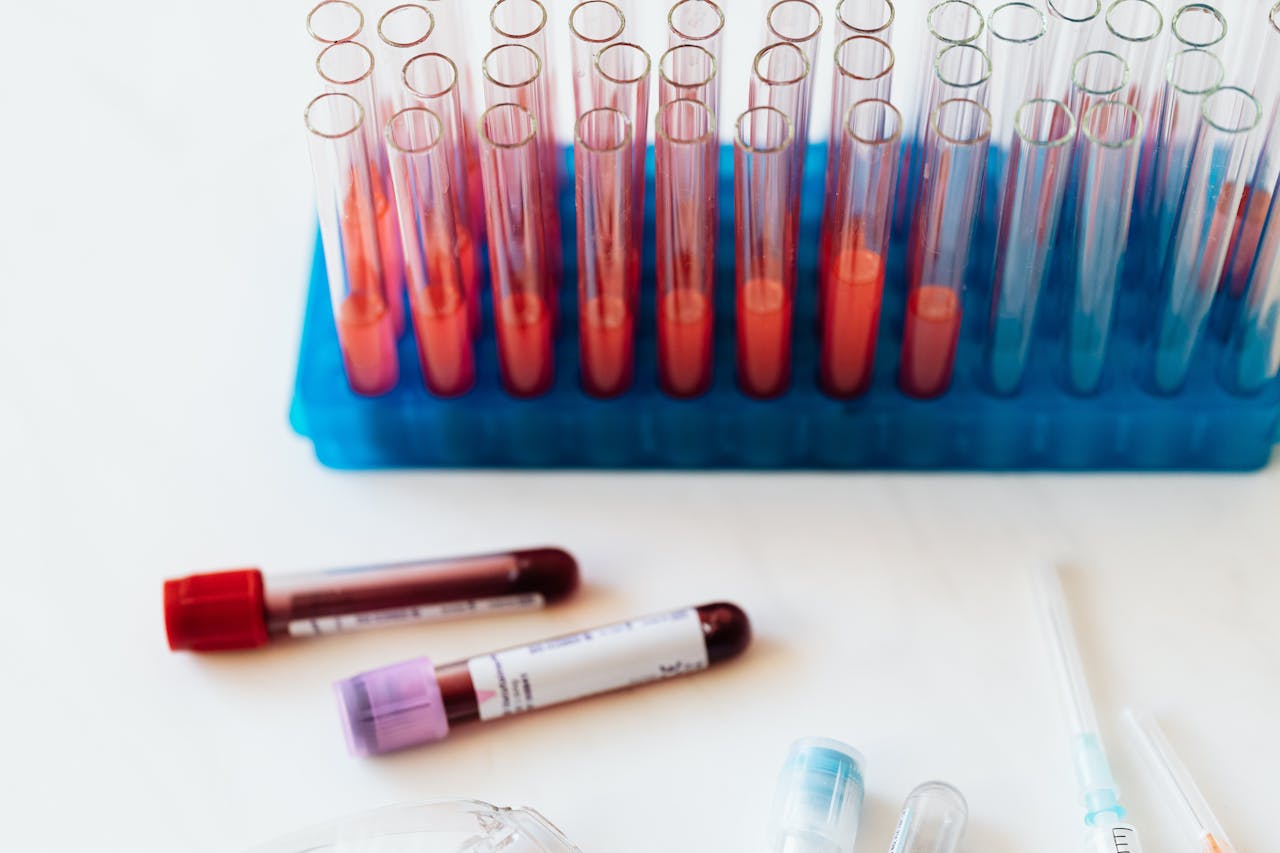
Comprehensive environmental medicine workup uses biomonitoring — measuring actual chemical concentrations in blood, urine, or hair — rather than assuming exposure. Key panels available through specialty clinical labs include: Urine metals panel (creatinine-corrected for arsenic speciation, cadmium, mercury, lead, nickel, tin, tungsten, uranium, thallium — both baseline and 6-hour post-DMSA challenge for comparison of body burden vs. blood levels); Whole blood metals (lead, mercury — gold standard for recent exposure); GPL-TOX organic acids / urine toxin panel (urinary metabolites of glyphosate, MTBE, benzene, phthalates, parabens, phosphate pesticides, styrene, xylene — available through Great Plains Laboratory / Mosaic Diagnostics); MycoTOX Profile (urinary mycotoxin panel — ochratoxin A, trichothecenes, aflatoxin, zearalenone — Great Plains / Mosaic); PFAS serum panel (available through Quest/LabCorp for PFOA, PFOS, PFHxS, PFNA); DUTCH hormone panel (assesses 4-OH and 16α-OH estrogen metabolite ratios influenced by EDC exposure).
The Evidence-Based Detoxification Protocol
Phase I support — CYP450 induction (carefully): Cruciferous vegetables (broccoli, Brussels sprouts, cabbage, kale) provide indole-3-carbinol (I3C) and its gut metabolite DIM (diindolylmethane), which modulate CYP1A2 and CYP3A4 activity and shift estrogen metabolism toward 2-OH (protective) pathways. Resveratrol, green tea EGCG, and curcumin modulate CYP enzyme activity. Phase I should be supported alongside Phase II to avoid generating reactive intermediates faster than they can be conjugated.
Phase II support — conjugation enhancement: Glutathione (GSH) — the master antioxidant and Phase II conjugation substrate — is depleted by toxin exposure. NAC (N-acetyl cysteine, 600–1800mg/day) is the rate-limiting precursor for GSH synthesis, with robust evidence across liver disease, COPD, psychiatric disorders, and toxin exposure. Liposomal glutathione (500–1000mg/day) provides direct supplementation with superior oral bioavailability vs. standard GSH. Sulforaphane (broccoli sprout extract, standardized to sulforaphane glucosinolate) is the most potent NRF2 activator known — activating the NRF2-KEAP1 pathway to upregulate glutathione S-transferase (GST), thioredoxin, NQO1, HO-1, and UDP-glucuronosyltransferase (UGT). Alpha-lipoic acid (ALA, 300–600mg/day) recycles glutathione, vitamin C, and vitamin E in the antioxidant network. Methylation support (methylfolate/L-5-MTHF, methylcobalamin, P5P) ensures COMT and glutathione synthesis via transsulfuration pathway operate optimally.
Chelation therapy (supervised): For confirmed heavy metal toxicity, medically supervised chelation provides the most direct intervention. DMSA (dimercaptosuccinic acid) orally chelates lead, mercury, and arsenic with strong evidence and favorable safety profile (oral dose: 10mg/kg/day in divided doses for 5 days on/9 days off cycles, 3–6 rounds). EDTA intravenous chelation targets lead, cadmium, and vascular calcium — supported by the TACT trial for cardiovascular benefit. All chelation must include mineral repletion (zinc, selenium, copper, manganese, molybdenum) as chelators are non-selective. Chlorella (broken cell wall, 3–9g/day with meals) and modified citrus pectin (5g TID) provide gentler ongoing heavy metal binding, particularly effective for mercury and lead mobilization. Activated charcoal strategically timed (2 hours from food and supplements) non-specifically adsorbs mycotoxins and other fat-soluble toxins undergoing enterohepatic recirculation.
Sauna therapy for toxin elimination: Far-infrared sauna (FIR) induces sweat as an elimination route for fat-soluble toxins including phthalates, BPA, PCBs, heavy metals, and organochlorine pesticides. While perspiration represents a minor elimination route vs. renal and biliary, studies document detectable levels of cadmium, arsenic, mercury, and lead in sweat (Sears 2012, Journal of Environmental and Public Health), with sweat cadmium concentrations exceeding blood cadmium — suggesting active secretion. A Finnish cohort study (Laukkanen 2018) demonstrated dose-dependent reductions in cardiovascular mortality, dementia risk, and all-cause mortality with 4–7 sauna sessions/week. Protocol: 20–30 minutes at 45–60°C (FIR sauna), 3–7× per week, with adequate hydration (electrolytes including magnesium and trace minerals) and post-sauna shower. Contraindications: active cardiovascular disease, pregnancy, hypotension, alcohol use.
Frequently Asked Questions
How do I know if environmental toxins are contributing to my symptoms?
Key clinical clues suggesting environmental toxin contribution: symptoms that improve when away from home/work (implicating building-specific exposures — mold, VOCs, pesticides); exacerbation with fragrance/chemical exposure (MCS pattern); unexplained fatigue, cognitive slowing, neuropathy, or thyroid dysfunction without other explanation; high fish consumption (methylmercury) or residence near industrial sites; symptoms correlating with new home purchase, renovation, or occupational exposure; and hormonal dysregulation patterns (low testosterone in men, irregular menstrual cycles, early puberty, unexplained infertility). Biomonitoring panels provide objective data — symptom correlation with measurable body burden transforms clinical suspicion into an actionable treatment target.
Is a detox diet or commercial cleanse effective for removing toxins?
Commercial “cleanses” and detox programs — typically involving lemon water, juice fasting, or herbal laxatives — have no meaningful evidence for removing specific environmental toxins. The liver and kidneys perform continuous detoxification; the goal of evidence-based functional medicine detoxification is to support and optimize these pathways — not stimulate bowel movements. Effective interventions are targeted: cruciferous vegetables and sulforaphane for NRF2/Phase II induction, NAC and liposomal glutathione for conjugation substrate, DMSA chelation for confirmed heavy metals, cholestyramine for mycotoxins, and chlorella/modified citrus pectin for ongoing exposure reduction. These are different in mechanism and evidence basis from commercial “cleanses.”
What is the single most important thing I can do to reduce my toxic body burden?
Filter your drinking water. A high-quality NSF-certified carbon block or reverse osmosis filter removes PFAS, chlorine, atrazine, heavy metals, nitrates, and hundreds of other contaminants from tap water at pennies per gallon — eliminating your highest-volume daily toxin exposure. Second highest-impact intervention is switching to organic produce for the EWG Dirty Dozen — reducing pesticide exposure by 80%+ for the most contaminated crops. Third is eliminating plastic food storage (particularly heating food in plastic) to reduce phthalate and BPA exposure. These behavioral changes cost relatively little and produce immediate measurable reductions in urinary phthalate metabolites, BPA, and pesticide biomarkers.
Does the body naturally eliminate toxins without supplementation?
Yes — the liver’s Phase I/II/III detoxification system, renal filtration, biliary secretion, lymphatic drainage, and sweat glands are continuously eliminating toxins. However, this system evolved for the toxin load of pre-industrial environments. Modern humans are exposed to 700–1,000 synthetic chemicals daily — volumes and types that did not exist in human evolutionary history. When exposure rate exceeds elimination capacity (due to high exposure, genetic detoxification variants, nutrient deficiencies, or chronic illness impairing elimination), toxins accumulate. Functional medicine supports elimination system optimization — not replacement — through targeted nutritional, lifestyle, and when indicated, pharmacological interventions.
If you suspect environmental exposures are contributing to fatigue, hormonal disruption, cognitive decline, chemical sensitivity, or unexplained chronic illness, The Private Practice offers comprehensive environmental medicine workup — including urine metals, organic toxin panels, mycotoxin testing, DUTCH hormone analysis with EDC impact assessment, and individualized detoxification protocols. Call us at (810) 206-1402 to schedule your comprehensive environmental toxin evaluation.