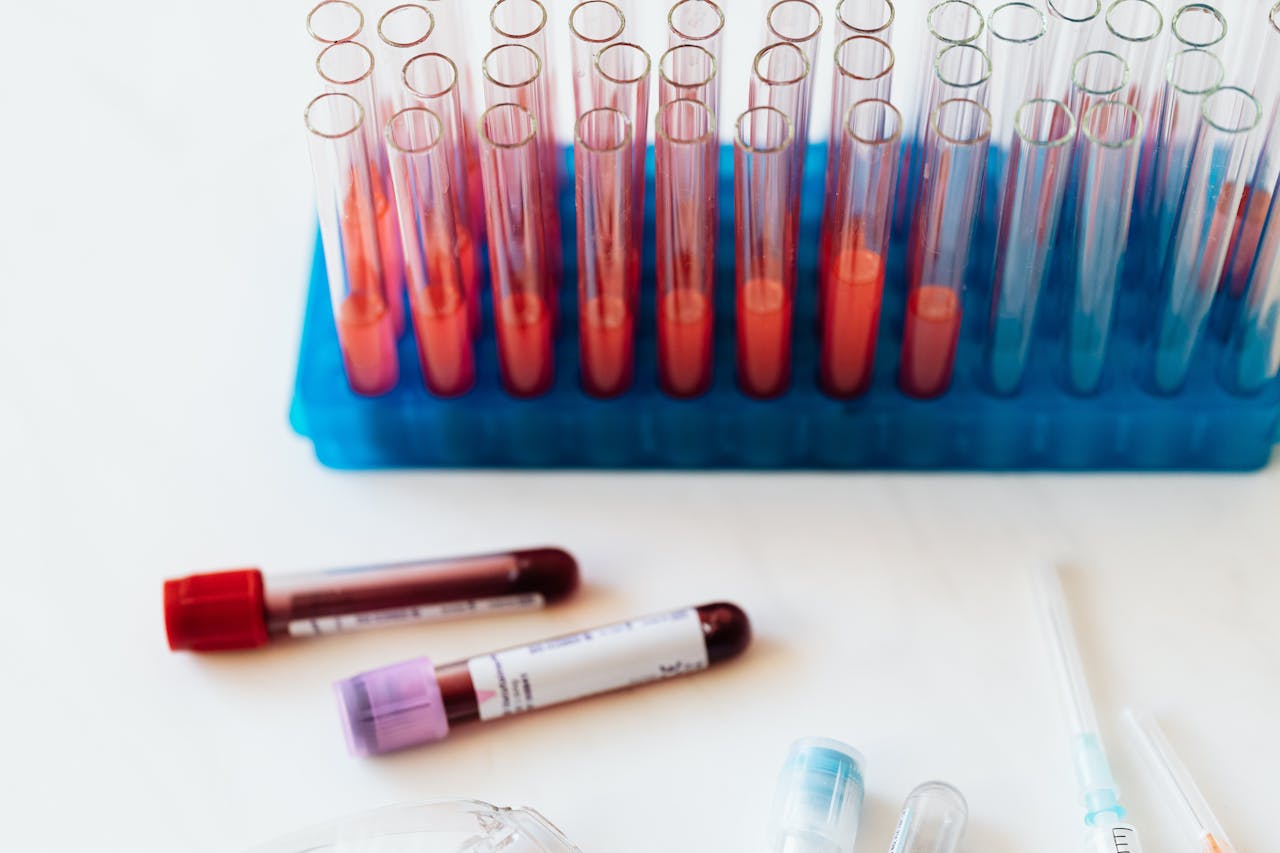
Quick answer: Microplastics — fragments under 5mm — are now detected in human blood (Leslie et al. 2022, Environment International), lungs, placenta, breast milk, and testicular tissue. The average American ingests an estimated 39,000–52,000 microplastic particles annually from food, water, and air. Chemical leachates — BPA, phthalates, PFAS, flame retardants — disrupt endocrine signaling at parts-per-trillion concentrations. Evidence-based reduction strategies include filtered water, glass or stainless steel food storage, organic produce, and specific nutritional and detoxification protocols.
The Scope of Environmental Toxin Exposure
We live in the most chemically complex environment in human history. The EPA’s Toxic Substances Control Act inventory lists over 85,000 chemicals currently in commercial use in the United States, the majority of which have not undergone human health safety testing. The CDC’s National Biomonitoring Program consistently finds 200+ industrial chemicals in the average American’s blood and urine — including persistent organic pollutants (POPs), heavy metals, phthalates, bisphenols, PFAS (per- and polyfluoroalkyl substances), pesticides, flame retardants, and plasticizers.
The functional medicine framework recognizes environmental toxin burden as one of the primary upstream drivers of chronic disease — contributing to hormonal disruption, immune dysfunction, mitochondrial impairment, neurotoxicity, and carcinogenesis. Unlike genetic predispositions, toxin exposure is substantially modifiable through informed lifestyle choices, targeted testing, and evidence-based detoxification support.
Microplastics: The New Frontier
Microplastics (particles 1 μm–5 mm) and nanoplastics (under 1 μm) have become ubiquitous environmental contaminants since the explosion of single-use plastic production in the 1950s. Global plastic production now exceeds 400 million metric tons annually, with less than 10% recycled. The rest enters the environment as macroplastic waste that UV radiation, mechanical weathering, and microbial action fragment into progressively smaller particles.
The landmark 2022 study by Leslie et al. (Environment International) published the first evidence of microplastics in human blood — detecting particles in 77% of 22 tested donors, with polyethylene terephthalate (PET), polystyrene, and polyethylene as the dominant types. A 2023 study published in JAMA Network Open by Marfella and colleagues found microplastic and nanoplastic particles embedded in carotid artery plaques in 58.4% of patients undergoing carotid endarterectomy. Critically, the patients with plaque-embedded particles had a 4.53-fold higher risk of myocardial infarction, stroke, or death over 34 months compared to patients without plaque microplastics — the first human study linking microplastic body burden to hard cardiovascular outcomes.
Microplastics have been detected in: human blood (Leslie 2022), lungs of patients undergoing surgery (Amato-Lourenço 2021, Science of the Total Environment), human placenta (Ragusa 2021, Environment International), breast milk (Ragusa 2022, Polymers), testicular tissue (Zhao 2023, Science of the Total Environment — found in all 23 human testes analyzed, with higher concentrations correlating with lower sperm counts), fetal meconium, and liver and kidney tissue post-mortem. The placenta and testicular findings are particularly alarming given the developing system vulnerability and reproductive implications.
Nanoplastic Neurotoxicity
Nanoplastics (<1 μm) are small enough to cross the blood-brain barrier. A 2024 study in Nature Medicine (Nihart et al.) found that brain tissue samples from 2024 showed 7–30 times higher microplastic concentrations than brain samples from 2016 — consistent with the exponential increase in global plastic production. The same study documented significantly higher brain microplastic concentrations in dementia patients compared to age-matched controls without dementia, raising urgent questions about nanoplastic neurotoxicity as a contributor to neurodegeneration.
Laboratory mechanistic data demonstrates that nanoplastics activate microglial inflammation, disrupt mitochondrial function, increase reactive oxygen species production, and impair synaptic transmission in neuronal cell lines at environmentally relevant concentrations. Whether chronic nanoplastic accumulation in the brain contributes to neurodegeneration at the individual level remains under active investigation — but the trajectory of evidence is concerning.
Endocrine-Disrupting Chemicals (EDCs)
BPA and Bisphenol Analogs
Bisphenol A (BPA) is the estrogenic plasticizer used in polycarbonate plastics and epoxy resin can linings. Following massive public pressure, many manufacturers replaced BPA with structural analogs — BPS (bisphenol S), BPF (bisphenol F), and BPB — which are detected in comparable concentrations in human urine and demonstrate similar or stronger estrogenic activity than BPA in cell culture models. “BPA-free” products frequently contain these analogs, offering no meaningful safety advantage.
BPA acts as a xenoestrogen — binding estrogen receptor alpha (ERα) and estrogen receptor beta (ERβ) at low nanomolar concentrations, activating estrogen-responsive gene transcription. Effects are most pronounced during critical developmental windows. Population-level data links urinary BPA concentrations to: insulin resistance and type 2 diabetes risk (Shan 2018, Diabetes Care), cardiovascular disease (Melzer 2010, Circulation), thyroid dysfunction (Chevrier 2013), PCOS-like phenotypes in female offspring of BPA-exposed mothers (animal data and epidemiological associations), and precocious puberty. BPA also impairs mitochondrial function by disrupting mitochondrial membrane potential — linking it to energy metabolism dysfunction beyond hormonal effects.
Phthalates
Phthalates are plasticizers used to make PVC flexible (found in vinyl flooring, medical tubing, food packaging, personal care products, and fragrance). DEHP, DBP, and DIBP are the most extensively studied. Phthalates are anti-androgens — they inhibit testosterone synthesis by disrupting Leydig cell steroidogenesis and reducing StAR (steroidogenic acute regulatory protein) expression. Phthalate urinary metabolite levels inversely correlate with testosterone concentrations, sperm quality (Swan 2005, Human Reproduction), and anogenital distance in male infants (a sensitive marker of androgen exposure in utero).
The “phthalate syndrome” in male offspring of exposed mothers includes reduced testosterone, cryptorchidism, hypospadias, and reduced sperm count — representing a spectrum of feminization of male reproductive development. These effects parallel experimental rodent data with extraordinary consistency. NHANES data demonstrates near-universal phthalate exposure in the U.S. population, with dietary exposure (especially from high-fat animal products and processed foods in plastic packaging) representing the dominant exposure route.
PFAS: Forever Chemicals
PFAS (per- and polyfluoroalkyl substances) are a class of approximately 12,000 synthetic fluorinated chemicals used in non-stick cookware (Teflon/PTFE), water-repellent clothing, food packaging (microwave popcorn bags, fast food wrappers), firefighting foam (AFFF), dental floss, and hundreds of industrial applications. Their C-F bond is among the strongest in organic chemistry — they do not degrade naturally and persist indefinitely in the environment and human body (“forever chemicals”).
PFOA and PFOS — the two most extensively studied PFAS — are now detected in the blood of essentially all Americans tested. Health associations established in large prospective cohort studies include: thyroid disease (Brokken 2020, association with thyroid hormone disruption), immune suppression (Grandjean 2020 — PFAS concentrations inversely associated with antibody response to vaccines), kidney and testicular cancer (limited but concerning data), and liver disease (NASH risk association). PFAS disrupt nuclear receptor signaling (PPARα, PPARγ, thyroid receptors) and impair immune cell function through effects on lipid metabolism and membrane signaling.
Organophosphate Pesticides
Organophosphate (OP) pesticides — including glyphosate, chlorpyrifos, malathion, and parathion — are the most widely used agricultural pesticides globally. Their mechanism: inhibition of acetylcholinesterase (the enzyme that breaks down acetylcholine at nerve synapses), producing acetylcholine excess at nicotinic and muscarinic receptors. Acute high-dose OP exposure produces cholinergic crisis and death. Chronic low-dose exposure — the relevant public health concern — is associated with: cognitive impairment and neurodevelopmental disorders (chlorpyrifos in particular — banned for agricultural food use by EPA 2021 after decades of evidence accumulation), Parkinson’s disease risk (rotenone, paraquat), and immune dysregulation.
Glyphosate (RoundUp active ingredient) is the most heavily applied agricultural chemical in history, with over 300 million pounds applied annually in the U.S. It was classified as “probably carcinogenic to humans” (Group 2A) by the International Agency for Research on Cancer (IARC) in 2015, a classification disputed by EPA and EFSA. Beyond direct toxicity, glyphosate is a broad-spectrum antibiotic at soil bacteria concentrations — with evidence of gut microbiome disruption (reducing Lactobacillus, Bifidobacterium, Akkermansia while enriching Clostridium), potentially mediating many of its observed health effects through the microbiome rather than direct tissue toxicity.
Heavy Metals
Lead, mercury, arsenic, and cadmium are the four heavy metals of greatest clinical concern in functional medicine:
Lead accumulates in bone (half-life 25–30 years), where it can be mobilized during pregnancy, osteoporosis, and high physiological stress, re-exposing the body from internal bone stores. The CDC has progressively lowered its blood lead reference value as evidence accumulates that no safe threshold exists for neurodevelopmental effects. In adults, blood lead is associated with hypertension, cardiovascular disease, and cognitive decline at concentrations below the previously accepted threshold. Testing: whole blood lead for recent exposure, bone lead (K-XRFS) for cumulative burden.
Mercury exists in three chemical forms with distinct toxicology: elemental mercury (dental amalgam vapor, artisanal gold mining), inorganic mercury (industrial, now rare), and methylmercury (dietary — primarily large predatory fish: tuna, swordfish, king mackerel, shark). Methylmercury is a potent neurotoxin that crosses the blood-brain barrier and placenta with ease. High fish consumption is the dominant mercury exposure route in most non-occupationally exposed adults. Testing: whole blood mercury for recent methylmercury exposure, hair mercury for average 3-month exposure, urine mercury for inorganic/amalgam exposure.
Arsenic exposure comes primarily from contaminated well water (particularly in the upper Midwest, New England, and Southwest U.S.) and rice products (rice is uniquely efficient at arsenic absorption from soil). Inorganic arsenic is a Group 1 human carcinogen (IARC) associated with lung, bladder, kidney, skin, and prostate cancer. It also impairs glucose metabolism and insulin signaling. Testing: urine arsenic speciated (distinguishes carcinogenic inorganic species from organic seafood-derived DMA and MMA).
Cadmium accumulates selectively in the kidney tubules, with a biological half-life of 10–30 years. Primary exposure routes: tobacco smoke (the dominant source in smokers — tobacco plants hyperaccumulate soil cadmium), contaminated food (leafy vegetables, cereals, shellfish from cadmium-rich soils), and occupational exposure. Cadmium is a metalloestrogen — binding ERα — and a proximate cause of the itai-itai (ouch-ouch) disease epidemic in Japan from rice grown in cadmium-contaminated soil from zinc smelter runoff. Testing: urine cadmium normalized to creatinine, hair cadmium.
Testing for Toxin Burden
Comprehensive toxin burden assessment in a functional medicine context involves:
Urine metals/toxic elements panel: Genova Diagnostics, QuinTron, or Doctor’s Data urine toxic elements panels assess cadmium, lead, mercury, arsenic, aluminum, thallium, tin, antimony, and other metals. Provoked urine testing (using a chelating agent like DMSA or DMPS to mobilize bone/tissue-sequestered metals) reveals total body burden more accurately than unprovoked urine for sequestered metals like lead. Unprovoked first-morning urine is appropriate for mercury and arsenic (not sequestered as extensively).
Organic acids test (OAT): Includes markers of pesticide/solvent exposure (2-methylhippuric acid for xylene, mandelic acid for styrene) and mycotoxin exposure. Great Plains Laboratory OAT is commonly used.
GPL-Mycotox profile: Urine mycotoxin testing (ochratoxin A, aflatoxins, trichothecenes, gliotoxin, chaetoglobosin A) for patients with mold exposure history or water-damaged building exposure.
PFAS blood testing: Quest Diagnostics PFAS panel measures serum PFOA, PFOS, PFNA, PFHxS, and PFDA. The CDC/NHANES reference range puts most Americans above minimal risk levels for at least some PFAS compounds.
Phthalate and BPA urine testing: Genova Diagnostics phthalate/BPA profile measures urinary metabolites of DEHP, DBP, and BPA. Interpretation requires accounting for recent exposure (urine reflects the past 24–48 hours primarily) — repeat testing on different days and at different times provides more representative exposure assessment.
Evidence-Based Reduction Strategies
Water filtration: A reverse osmosis (RO) system removes 90–99% of PFAS, heavy metals, microplastics, nitrates, and most other contaminants from tap water. Under-sink RO with a remineralization filter (to add back calcium and magnesium removed by RO) is the most effective single intervention for water toxin reduction. Whole-house filtration addresses shower/bath absorption of chlorine, chloramines, and some VOCs. Activated carbon block filters (pitcher or under-sink) remove chlorine and some PFAS but are less effective than RO for heavy metals and other contaminants.
Food choices: Organic produce reduces pesticide exposure 65–94% compared to conventional (Barański 2014, British Journal of Nutrition). The Environmental Working Group’s Dirty Dozen list (strawberries, spinach, kale, peaches, pears, nectarines, apples, grapes, bell peppers, cherries, blueberries, green beans) prioritizes the highest-pesticide conventional produce for organic substitution when budget is limited. Rice: washing uncooked rice 6 times before cooking reduces arsenic content by 40–60%. Limit large predatory fish (tuna, swordfish, king mackerel) to 1–2 servings per week for mercury reduction.
Cookware and food storage: Replace non-stick cookware (polytetrafluoroethylene/Teflon — PFAS-coated) with cast iron, enameled cast iron, stainless steel, or ceramic. Store food in glass, stainless steel, or food-grade silicone rather than plastic. Never heat food in plastic containers — elevated temperature dramatically increases leaching of BPA, phthalates, and plasticizers into food. Reduce canned food consumption (epoxy can linings are a primary BPA source) — choose glass jars or BPA-free tetrapak cartons where available.
Personal care and household products: Fragrance is a legal catch-all term concealing up to 3,000+ chemicals including phthalates. Choose fragrance-free personal care products or those using essential oil-based fragrances with full ingredient transparency (EWG Skin Deep database rates product safety). Non-toxic cleaning products eliminate VOC and solvent exposure from conventional cleaners. HEPA vacuuming removes settled dust that concentrates phthalates, flame retardants, and heavy metals indoors.
Nutritional Support for Detoxification
The liver detoxifies lipophilic toxins through a two-phase enzymatic process: Phase I (cytochrome P450 oxidation — makes toxins more water-soluble but may create more reactive intermediates) and Phase II (conjugation — glucuronidation, sulfation, glutathione conjugation, methylation, acetylation — attaches water-soluble groups enabling renal or biliary excretion). Supporting both phases nutritionally is the foundation of functional medicine detoxification protocols:
Sulforaphane (broccoli sprouts): The most potent known Nrf2 activator from food. Nrf2 (nuclear factor erythroid 2-related factor 2) is the master transcription factor for Phase II detoxification enzymes — including NQO1, glutathione S-transferases (GSTs), UDP-glucuronosyltransferases, and heme oxygenase-1. 3-day-old broccoli sprouts contain 20–100x more sulforaphane precursor (glucoraphanin) than mature broccoli. A clinical trial by Kensler et al. (2005, Cancer Prevention Research) demonstrated that broccoli sprout beverage consumption significantly increased urinary excretion of aflatoxin-DNA adducts and acrolein mercapturic acid — direct measures of accelerated carcinogen detoxification. Dose: 80–120 μmol sulforaphane from fresh sprouts daily, or standardized extract (Prostaphane, Avmacol).
Glutathione precursors: N-acetylcysteine (NAC) is the rate-limiting glutathione precursor, providing cysteine for GSH synthesis. NAC is the standard medical treatment for acetaminophen overdose (liver glutathione depletion). At supplemental doses (600–1,800 mg/day), NAC replenishes intracellular glutathione for conjugation of Phase II detoxification and direct heavy metal chelation (particularly for mercury and cadmium). Alpha-lipoic acid (600 mg/day) regenerates oxidized glutathione back to reduced GSH and chelates mercury, lead, and arsenic directly.
Fiber and gut transit: Bile acid-conjugated toxins excreted into the gut via bile require adequate dietary fiber to prevent reabsorption (enterohepatic recirculation). Modified citrus pectin (5g 3x/day) binds heavy metals (particularly lead and cadmium) in the gut and reduces their reabsorption — supported by clinical data in children with elevated blood lead. Psyllium husk and ground flaxseed facilitate bile-toxin conjugate excretion through bulk and binding.
Sauna for xenobiotic excretion: Sweat contains BPA, phthalates, heavy metals, PFAS, and organophosphate pesticide metabolites. A study by Genuis et al. (2010) confirmed that sweat contains concentrations of BPA, DEHP, and various metals measurably above blood and urine concentrations — supporting sauna as an active elimination route. The Finnish sauna and infrared sauna protocols documented in longevity research produce measurable xenobiotic excretion alongside cardiovascular and senolytic benefits.
FAQs About Environmental Toxins and Microplastics
How do I know if environmental toxins are affecting my health?
Symptoms of chronic toxin burden are non-specific and overlap with many other conditions — fatigue, brain fog, hormone disruption, weight resistance, immune dysfunction, and chemical sensitivities. Testing provides objective evidence: urine toxic elements (metals), GPL-Mycotox (mold toxins), phthalate/BPA urine panel, and PFAS blood testing together provide a comprehensive toxin burden assessment. Many functional medicine patients discover significantly elevated toxin levels they were unaware of — particularly lead (from childhood paint exposure), mercury (from fish consumption), and PFAS (from municipal water supplies). Testing is the only way to know your actual burden.
Can you actually detoxify your body from microplastics?
Detoxification from plastics is challenging because many plastic particles are physically trapped in tissues (adipose, arterial plaques, organ parenchyma) and cannot be eliminated by biochemical pathways alone. What is modifiable is the chemical leachate burden — BPA, phthalates, and plasticizer metabolites are water-soluble and cleared renally with a 24–48 hour half-life in blood and urine. Reducing new exposure rapidly reduces blood and urine concentrations of these chemicals. Physical particles are more persistent — autophagy induction (fasting, spermidine, rapamycin) may facilitate cellular clearance of small particles, and reducing new particle ingestion prevents further accumulation, but complete elimination of existing tissue-embedded microplastics has not been demonstrated.
Are tap water filters enough, or do I need reverse osmosis?
It depends on your specific water contaminants — municipal water quality reports (Consumer Confidence Reports, required annually from all U.S. municipal water systems) reveal what is detected in your local supply. Activated carbon pitcher filters (Brita, PUR) are effective for chlorine, chloramines, and some VOCs — but have limited effectiveness for PFAS (only some carbon block filters remove PFAS), heavy metals (limited), and essentially no effectiveness for microplastics, nitrates, or arsenic. A certified NSF-58 reverse osmosis system removes 90–99% of essentially all contaminants including PFAS, arsenic, lead, nitrates, and microplastics. For PFAS specifically — which contaminates approximately 45% of U.S. tap water according to 2023 USGS data — RO or certified PFAS-removing carbon block filtration is needed.
Is organic food worth the cost for toxin reduction?
The Barański 2014 meta-analysis in the British Journal of Nutrition found that organic produce had 48% lower pesticide residue concentrations and a 4-fold higher likelihood of no pesticide residues at all compared to conventional. For the Dirty Dozen crops (strawberries, spinach, kale, etc.), virtually all conventional samples contain multiple pesticide residues at detectable levels. Cost-effectiveness: prioritizing organic for the Dirty Dozen while accepting conventional for the Clean Fifteen (avocados, sweet corn, pineapple, etc.) reduces pesticide exposure by 70–80% at approximately 20–30% cost premium over all-conventional shopping. For patients with specific health concerns — hormone-sensitive cancers, male fertility issues, children — the cost premium for organic is particularly well-justified.
If you are concerned about your environmental toxin burden and want objective testing combined with a personalized reduction and detoxification protocol, a functional medicine evaluation provides the comprehensive assessment and targeted intervention plan needed. Our office offers comprehensive toxin burden testing and evidence-based detoxification protocols. Contact us at (810) 206-1402 to schedule a consultation.
Related Reading
- Leaky Gut (Intestinal Permeability): The Science, Testing, and 4R Repair Protocol
- Anti-Inflammatory Diet: The Evidence-Based Protocol to Lower Inflammation
- Insulin Resistance: Why 40% of Adults Have It and Don’t Know It
Dive Deeper
- Leaky Gut (Intestinal Permeability): The Science, Testing, and 4R Protocol
- Anti-Inflammatory Diet: The Evidence-Based Protocol to Lower Inflammation
- Chronic Inflammation: The Silent Driver of Heart Disease, Diabetes, and More
- Gut Health and the Microbiome: What the Science Actually Shows
- Insulin Resistance: Why 40% of Adults Have It and Don’t Know It