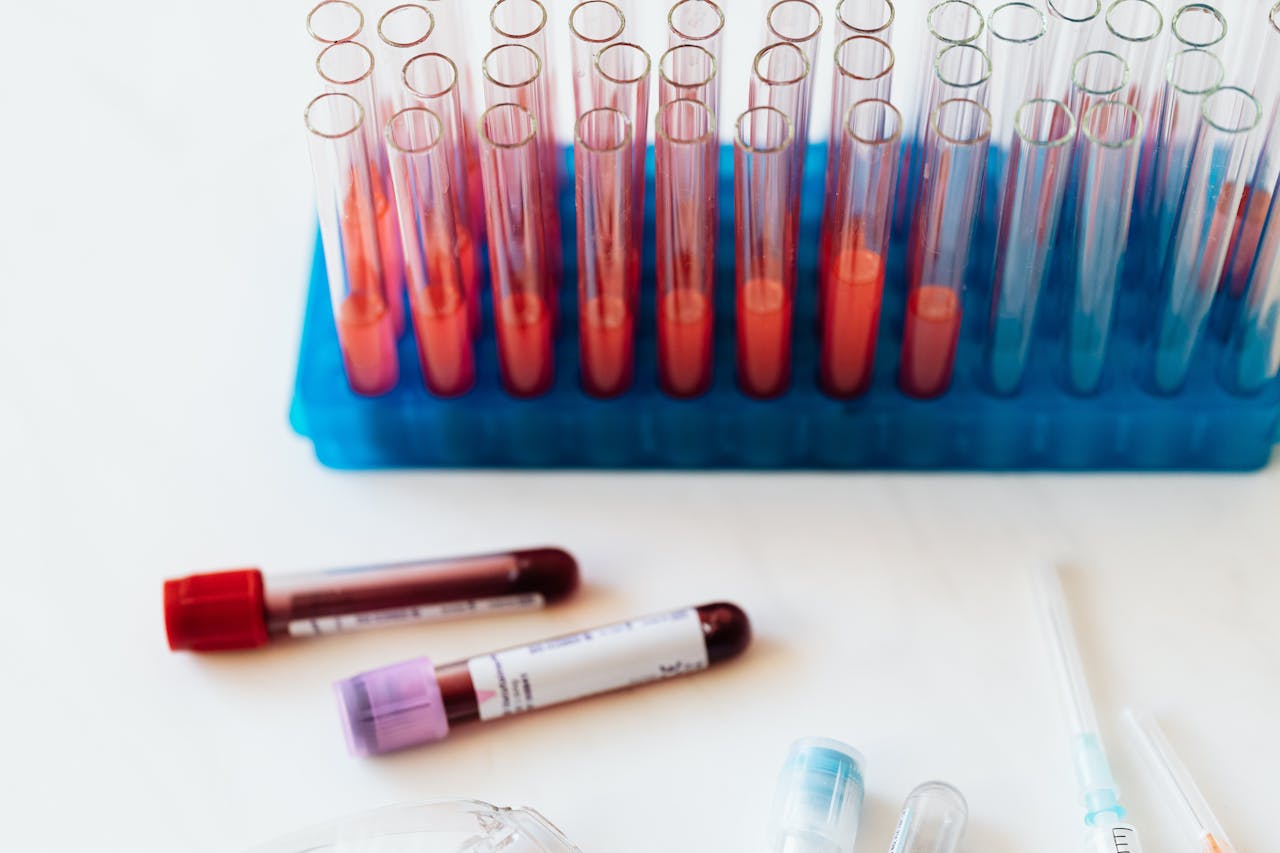
Quick answer: The U.S. Centers for Disease Control’s National Exposure Report documents measurable levels of 300+ synthetic chemicals in average Americans’ blood and urine — including phthalates, BPA, PFAS (“forever chemicals”), pesticides (glyphosate, chlorpyrifos), heavy metals, and polychlorinated biphenyls (PCBs). Total body burden of these xenobiotics correlates with insulin resistance, thyroid dysfunction, hormone disruption, neurological damage, and increased cancer risk — and is addressable through targeted assessment and detoxification strategies.
The Exposome: Your Total Toxic Burden
Christopher Wild coined the term “exposome” in 2005 to describe the totality of environmental exposures an individual encounters from conception to death — a counterpart concept to the genome. Unlike the genome (fixed at conception), the exposome is dynamic and modifiable. It encompasses: external exposures (diet, air quality, water quality, occupational chemicals, pharmaceuticals, consumer products), internal exposome (gut microbiome metabolites, endogenous inflammatory mediators, hormones), and social/psychological exposome (stress, social determinants). The National Academies of Sciences (2012) identified the exposome as the most important modifiable determinant of chronic disease — a finding with profound implications for functional medicine’s root-cause philosophy.
The challenge: most conventional medicine focuses on acute toxic exposures (occupational poisoning, environmental disaster), while functional medicine recognizes that low-grade, chronic exposure to multiple chemicals — the “cocktail effect” — produces cumulative biological effects not predictable from individual chemical toxicology studies. Kortenkamp’s mixture toxicology research (2011, International Journal of Andrology) demonstrated that combinations of endocrine-disrupting chemicals at individually sub-threshold doses can produce significant hormonal disruption — a finding not captured by regulatory risk assessment.
PFAS “Forever Chemicals”: The Most Pervasive Modern Toxin
Per- and polyfluoroalkyl substances (PFAS) are a family of 12,000+ synthetic compounds characterized by the carbon-fluorine bond — one of the strongest bonds in organic chemistry (bond dissociation energy: 544 kJ/mol, vs. C-H at 413 kJ/mol). This stability makes PFAS virtually indestructible in biological and environmental systems. PFAS have been used since the 1940s in non-stick cookware (PTFE, PFOA), food packaging, firefighting foams (AFFF), water-resistant textiles (Gore-Tex, Scotchgard), and hundreds of industrial applications.
The CDC’s NHANES surveys (National Health and Nutrition Examination Survey) demonstrate that 97%+ of Americans have measurable serum PFAS levels. PFAS bioaccumulate in protein-rich compartments — blood, liver, kidney — with half-lives ranging from days (some newer “short-chain” PFAS) to 4–8 years (PFOA, PFOS — the legacy long-chain compounds). The EPA issued its first-ever Maximum Contaminant Levels (MCLs) for PFAS in drinking water in April 2024 — setting limits for PFOA and PFOS at 4 parts per trillion (one teaspoon in 70 billion gallons of water).
Health effects of PFAS: (1) Thyroid disruption — PFAS compete with thyroid hormones for serum protein binding (particularly transthyretin) and inhibit iodide uptake by the thyroid; Boas et al. (2012, Environmental Health Perspectives): significant inverse association between PFAS and thyroid function in multiple epidemiological studies; (2) Immune suppression — Grandjean et al. (2012, JAMA): children with higher PFAS exposure had significantly lower antibody responses to childhood vaccines; Grandjean 2020 meta-analysis confirmed 2.4x risk of vaccine non-response per doubling of PFAS levels; (3) Metabolic disruption — PFAS activate PPARα and PPARγ nuclear receptors (the same receptors targeted by fibrate and thiazolidinedione medications), disrupting lipid metabolism, insulin sensitivity, and glucose homeostasis; (4) Liver toxicity — elevated ALT/AST in PFAS-exposed populations; (5) Cancer risk — kidney, testicular, and bladder cancers associated with PFAS exposure in epidemiological studies, with sufficient evidence for the International Agency for Research on Cancer (IARC) to classify PFOA as a Group 1 carcinogen (2023).
Endocrine-Disrupting Chemicals: BPA, Phthalates, and the Hormone Hijack
Bisphenol A (BPA) is a synthetic estrogen used in polycarbonate plastics (#7 recycling code) and epoxy resins lining food cans. The Endocrine Society’s 2015 Scientific Statement identified BPA as one of the highest-concern endocrine disruptors — occupying estrogen receptors (ERα, ERβ) at very low concentrations, activating ERR-γ (estrogen-related receptor gamma) at nanomolar concentrations, and disrupting thyroid signaling. Vom Saal’s landmark 1997 studies documented that BPA at 2 ppb (far below the then-regulatory “safe” dose) produced prostate enlargement and altered uterine development in mice — demonstrating non-linear dose-response (effects at low doses not predicted by high-dose toxicology). FDA banned BPA from baby bottles in 2012 but it remains widespread in food packaging.
“BPA-free” is not necessarily safe — replacement chemicals (BPS, BPF, BPB) have similar estrogenic activity in vitro and lack long-term safety data. The precautionary principle suggests using glass, stainless steel, or ceramic food containers rather than plastic alternatives.
Phthalates are plasticizers used in soft PVC plastics, personal care products (fragrances, hair products, nail polish), medical devices, and pharmaceutical tablet coatings. Unlike BPA, phthalates are anti-androgenic — their primary mechanism is inhibiting testosterone synthesis in Leydig cells (Howdeshell 2008, Toxicological Sciences): DEHP metabolites reduce LH-stimulated testosterone production by inhibiting CYP17A1. The “phthalate syndrome” in rodents (Swan et al.) produces feminization of male offspring — shortened anogenital distance (AGD), undescended testes, hypospadias — with human epidemiological parallels. Swan et al. (2005, Environmental Health Perspectives) documented that prenatal phthalate exposure predicted shorter AGD in male infants — suggesting significant anti-androgenic effects at real-world exposure levels.
Glyphosate and Pesticides: The Agricultural Chemical Burden
Glyphosate (Roundup’s active ingredient) is the most widely used herbicide globally — approximately 300 million pounds applied annually in the United States. The IARC classified glyphosate as a “probable human carcinogen” (Group 2A) in 2015, citing sufficient evidence in animal studies and limited evidence in humans for non-Hodgkin’s lymphoma. Mechanistically, glyphosate inhibits the shikimate pathway — while humans lack this pathway (it’s the basis for claims of safety), gut bacteria use it to synthesize aromatic amino acids. Samsel and Seneff (2013, Entropy) proposed that glyphosate-mediated gut bacterial disruption, amino acid analogue substitution for glycine in proteins, and CYP450 inhibition could explain broad health effects — a hypothesis with ongoing debate in the literature.
More established: glyphosate residues are detectable in 80%+ of urinary samples in exposed populations (Gillezeau 2019, Environmental Health: 80% positivity in non-occupationally exposed Americans), and glyphosate exposure correlates with gut microbiome alterations in epidemiological studies. Organophosphate pesticides (chlorpyrifos, malathion) — used widely in agriculture and until recently in residential settings — are cholinesterase inhibitors producing neurological effects. The EPA’s 2022 decision to ban chlorpyrifos for food uses followed EPA’s own finding that all uses result in residues exceeding safety thresholds for children.
Environmental Toxin Testing: What to Measure and How
PFAS panel (serum): Available through Quest and specialty labs; tests 10–40 individual PFAS compounds. Serum PFOS and PFOA are the most established markers. No established “safe” level — results interpreted relative to NHANES population percentiles and clinical context. Elevation warrants aggressive source identification (contaminated water, food packaging, cookware, occupational exposure) and antifibrinolytic support.
Comprehensive urine toxic element panel: Includes arsenic speciation (organic vs. inorganic arsenic — only inorganic is toxic; fish consumption causes organic arsenic elevation, which is non-toxic), mercury, lead, cadmium, thallium, and nickel. For reliable assessment, provoked urine testing (using chelating agent DMSA 10mg/kg orally, with urine collected 6 hours post-dose) is controversial in the functional medicine community — it artificially mobilizes stored metals and creates concerns about redistribution to the CNS. Unprovoked “baseline” urine specimens may underrepresent stored burden. Blood lead and mercury are the preferred initial screening tests for acute exposure; 24-hour urine (unprovoked) for chronic burden assessment. Genuis (2011, Archives of Environmental Contamination and Toxicology) documented sweat testing as an additional modality for heavy metal burden assessment.
GPL-TOX (Great Plains Toxic Non-Metal Chemical Profile): Measures 172 non-metal toxicants in urine including phthalates, parabens, organophosphates, benzene, toluene, xylene, styrene, MTBE, and chlorinated solvents. Provides a comprehensive snapshot of volatile organic compound burden. Interpretation uses population-based percentile ranges from NHANES data.
Glyphosate urine test: Available through Great Plains Laboratory, Mosaic Diagnostics. Enzyme-linked immunosorbent assay (ELISA) method. Reference range based on low-exposure populations in Europe (US-derived data limited). Values above the 75th percentile for non-occupationally exposed populations warrant dietary intervention (organic food consumption reduces glyphosate urinary excretion by 70% in 6 days — Fagan et al. 2020, Environmental Research).
Evidence-Based Detoxification Support
Sulforaphane (broccoli sprout extract): The most potent known activator of the NRF2 pathway — the “master regulator” of detoxification and antioxidant gene expression. NRF2 activation induces Phase II detoxification enzymes (GSTP1, NQO1, UGTs, SULTs), heme oxygenase-1 (HO-1, anti-inflammatory), ferritin (iron storage), and antioxidant enzymes (SOD, catalase, glutathione peroxidase). Kensler et al. (2005, Cancer Epidemiology, Biomarkers & Prevention) demonstrated that broccoli sprout beverages in Qidong, China (high aflatoxin exposure area) significantly increased aflatoxin-DNA adduct excretion — confirming in-vivo detoxification enhancement. 30–100mg sulforaphane/day from standardized broccoli sprout extract or fresh sprouts (10-20g/day of sprouts, prepared with myrosinase-activating methods — chewing well or adding mustard seed powder).
Modified Citrus Pectin (MCP): Eliaz and colleagues’ 2019 Integrative Cancer Therapies RCT (n=7, crossover design): 5g MCP three times daily for 1 month significantly reduced blood lead, arsenic, and cadmium levels vs. baseline, with 74% reduction in urinary arsenic excretion confirming excretion mechanism. MCP binds galectin-3 (a pro-inflammatory, pro-fibrotic lectin overexpressed in chronic disease), reduces heavy metal absorption in the gut, and binds lead and cadmium in the GI tract to prevent reabsorption. Typical dose: 5g MCP TID, away from food and medications.
Sauna (infrared or traditional): Peer-reviewed literature confirms that sweat contains measurable concentrations of heavy metals (Genuis 2011), phthalates (Genuis 2012), BPA, and organochlorine compounds. Heat stress produces HSP70 (heat shock protein) induction, which enhances cellular proteotoxic stress response and facilitates toxin removal. See our infrared sauna therapy guide for detailed protocol. Sessions of 30–45 minutes at 40–50°C (infrared) or 60–80°C (Finnish traditional) 3–5 times weekly, with adequate mineral replacement.
Dietary fiber and bile acid binding: Many lipophilic toxins (PCBs, dioxins, PFAS, fat-soluble pesticides) undergo enterohepatic recirculation — they are excreted in bile into the intestine and reabsorbed if not bound by fiber. Psyllium husk, ground flaxseed, and modified cellulose can bind these compounds and prevent reabsorption. Cholestyramine (bile acid sequestrant) is the primary pharmaceutical for facilitating elimination of lipophilic toxins in the Shoemaker CIRS protocol, where it also binds biotoxins from mold.
NAC and glutathione support: N-Acetyl Cysteine (600-1,800mg/day) provides cysteine for glutathione synthesis — the primary intracellular detoxification tripeptide. Glutathione conjugates electrophilic toxins (Phase II GST reactions), reduces heavy metals (mercury-glutathione complex is excreted in bile), and serves as the primary cellular antioxidant. Liposomal glutathione (500-1,000mg/day) bypasses the poor oral bioavailability of standard glutathione. IV glutathione (600-1,200mg per infusion) is used in clinical settings for acute heavy metal toxicity support. Alpha-lipoic acid (300-600mg/day) is uniquely both water- and fat-soluble — recycling intracellular glutathione and providing heavy metal chelation (particularly mercury) in addition to NRF2 activation.
Practical Exposure Reduction: The Highest-Yield Daily Steps
While detoxification support is important, exposure reduction is foundational. Ranked by evidence of impact: (1) Water filtration — install whole-house or point-of-use reverse osmosis for PFAS removal (NSF/ANSI 58 certified), activated carbon block (NSF/ANSI 53) for chlorine disinfection byproducts, volatile organics; (2) Organic produce prioritization — particularly the EWG “Dirty Dozen” (strawberries, spinach, kale, peaches, pears, nectarines, apples, grapes, bell peppers, cherries, blueberries, green beans) which carry highest pesticide loads; organic consumption reduces urinary pesticide metabolites by 65-90% within days; (3) Food storage — glass, stainless steel, or ceramic containers; never microwave in plastic; avoid canned foods with BPA liners (marked “BPA-free” cans may use BPS/BPF — choose fresh or frozen over canned); (4) Personal care products — use EWG’s Skin Deep database to identify phthalate-free, paraben-free products; fragrance is a common phthalate source; (5) Cookware — replace PTFE non-stick (Teflon) cookware, particularly scratched or overheated pans (>260°C releases PFAS particles); use cast iron, stainless steel, or ceramic; (6) Indoor air quality — HEPA air purifiers reduce particulate-bound toxins; open windows for ventilation; houseplants (spider plant, pothos, peace lily) have modest VOC absorption documented in NASA studies.
Environmental Medicine at The Private Practice
At The Private Practice, environmental toxin assessment is integrated with our heavy metal and chelation therapy protocols, our CIRS/mold illness evaluation, and our thyroid optimization work — because environmental chemical exposures are a primary driver of thyroid dysfunction, hormone disruption, and immune dysregulation in the modern world.
Frequently Asked Questions
How do I know if environmental toxins are affecting my health?
Symptoms suggesting significant environmental toxin burden include: unexplained fatigue, brain fog, and cognitive impairment; thyroid dysfunction despite adequate treatment; hormone imbalance (particularly estrogen dominance, low testosterone, PCOS); unexplained autoimmune conditions; chemical sensitivity (reactions to fragrances, cleaning products, or outdoor air); recurrent infections suggesting immune suppression; and abnormal liver enzymes without other explanation. Testing provides the most objective assessment: serum PFAS panel, comprehensive heavy metal testing (blood + urine), GPL-TOX urine volatile organic panel, and glyphosate urine test together provide a comprehensive toxin burden snapshot. Most people with significant toxic burden have no dramatic symptoms — it is the cumulative, long-term effects on disease risk that are most significant.
Is sweating actually effective for detoxification?
Yes — for certain toxins, with important caveats. Peer-reviewed literature (Genuis 2011, 2012, 2013 series in Archives of Environmental Contamination and Toxicology) documents measureable concentrations of heavy metals, phthalates, BPA, and organochlorine compounds in sweat — and in some cases (particularly arsenic, BPA, and some phthalates), sweat provides a quantitatively significant elimination route. The CDC’s NHANES data confirms that sauna use correlates with lower body burden of some toxins. Important: toxins eliminated in sweat must be replaced with mineral-rich hydration (electrolytes) to prevent hyponatremia and mineral depletion; excessive sauna without adequate electrolyte replacement can be dangerous. For lipophilic toxins (PCBs, dioxins, PFAS, fat-soluble pesticides) that accumulate in adipose tissue, mobilization into serum and excretion requires a combination of gentle caloric deficit, sauna, and gastrointestinal binders — sweat alone is insufficient for these compounds.
How long does it take to reduce my PFAS levels?
PFOS (perfluorooctane sulfonate) and PFOA (perfluorooctanoic acid) — the most common legacy long-chain PFAS — have serum half-lives of 3.5–8 years respectively. This means even with complete cessation of exposure, PFAS levels decline slowly — a 50% reduction from peak levels takes 3.5–8 years. Shorter-chain replacement PFAS (PFBS, PFHxS) have shorter half-lives of days to months. Current research into PFAS elimination is exploring: aggressive thermal sweating (some data for mobilization), cholestyramine as a bile acid binder (limited PFAS data but mechanistically plausible for PFAS with enterohepatic recirculation), and activated charcoal supplementation as a potential luminal binder. The most important intervention remains source reduction — stopping the input — while supporting overall detoxification capacity. Some emerging evidence suggests modified citrus pectin may facilitate elimination through galectin-3 modulation, though PFAS-specific data is limited.
What does “organic” actually guarantee in terms of toxin reduction?
USDA Certified Organic certification prohibits the use of synthetic pesticides (including glyphosate, chlorpyrifos, and most organophosphates), synthetic fertilizers, GMOs, irradiation, and sewage sludge. Some natural pesticides (copper sulfate, rotenone, spinosad) are permitted. Critically, organic certification does not guarantee zero pesticide residues — contamination from neighboring conventional fields, persistent legacy chemicals in soil, and approved natural pesticide use means organic produce can contain detectable pesticide residues, typically at much lower levels than conventional. The Fagan et al. 2020 study demonstrated that switching to a strict organic diet reduced urinary glyphosate levels by 70% in 6 days, and chlorpyrifos metabolites by 90%. The EWG “Clean Fifteen” (onions, avocados, sweet corn, pineapples, mangoes, asparagus, sweet peas, kiwi, cabbage, eggplant, papaya, watermelon, broccoli, tomatoes, sweet potatoes) show consistently low pesticide levels even in conventional production — prioritizing organic for the “Dirty Dozen” while accepting conventional for the Clean Fifteen is a cost-effective compromise.
To schedule a comprehensive environmental toxin assessment and personalized detoxification protocol at The Private Practice, call (810) 206-1402 or visit theprivatepractice.co. We provide complete toxin burden evaluation and evidence-based detoxification support to address the environmental contributors to chronic disease.